15 Staging Strategies for Sale: Convert Your Walkthroughs
You walk into a showing and watch buyers pause, scan the room, and move on without comment or urgency. That’s the moment most sellers realize the home looks fine, but it isn’t working. We’ve seen this happen.
Without staging strategies for the sale, buyers struggle to understand the space and hesitate to commit. When the walkthroughs lack direction, interest fades fast. Let’s change that.
What Is Home Staging and Why Do You Need It?
Home staging prepares a home for the market by guiding how potential buyers view and move through the space during showings. We use layout and scale to help buyers understand the home the moment they step inside.
Staging strategies help us support selling your home quickly. In fact, nearly half of home sellers have reported a reduction in time on the market when a home is staged.
15 Clever Home Staging Strategies for Sale
The following real estate staging strategies convert interest into action. They focus on the buyer’s experience during a walkthrough, not on surface styling alone. Let’s get into how to stage your house.
Strategy #1: Define a Clear Purpose for Each Room
Walk through your home as if you’re the buyer and ask, “What happens in this room?” If the answer isn’t obvious in two seconds, simplify. Turn an unused nook into an office, set the guest room up as a real bedroom, or show a bonus space as a workout or play area. A clear purpose removes guesswork for buyers.
Strategy #2: Scale Rooms To Feel Larger
If buyers need to sidestep around furniture, the room reads as cramped. Pull bulky pieces off the walls, remove extra chairs, or swap oversized coffee tables for smaller ones. You want a clean pathway from doorway to doorway without visual obstacles.
Strategy #3: Use Mirrors or Reflective Art
Hang a mirror opposite a window or down a narrow hallway to reflect natural light and stretch the sightline. It’s an easy way to brighten darker areas without adding lamps or rewiring anything.
Strategy #4: Eliminate Clutter, Not Personality
Pack away stacks of papers, mail, toys, excess décor, and anything you don’t reach for weekly. Keep one to two intentional accents per surface, like a framed photo, candle, or bowl. The space still feels lived-in, just lighter and easier to read.
Strategy #5: Invest in High-End Accessories
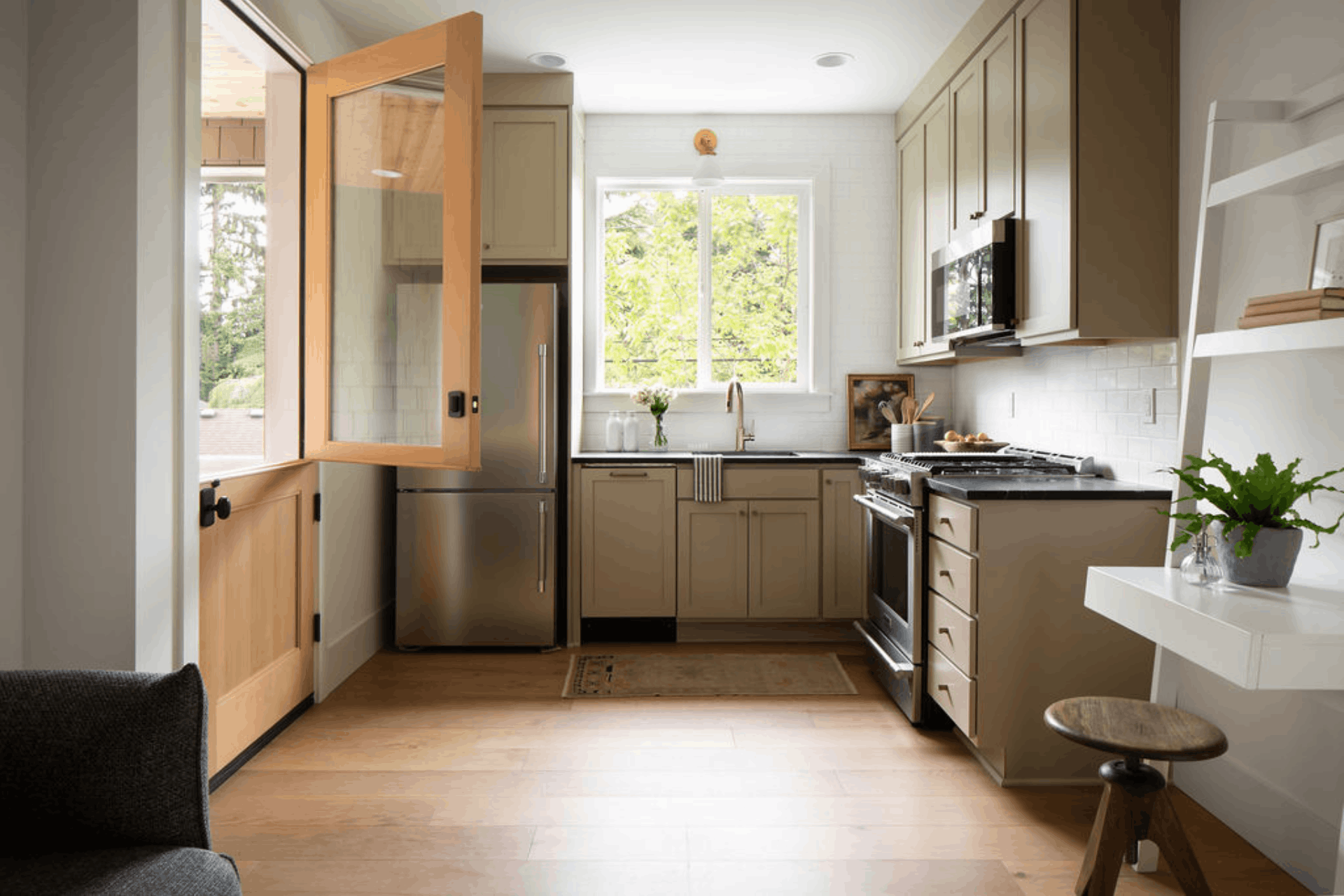
Replace everyday countertop items with a few quality upgrades: a wooden cutting board, a matte soap pump, matching dish towels, or a fresh set of bar stools. These small touches make buyers assume the rest of the home has been cared for at the same level.
Strategy #6: Use Large Potted Plants To Fill In Empty Spaces
Place a tall plant in any corner that feels awkward or unfinished. Plants anchor the room visually and add movement. Choose low-maintenance varieties like snake plants or olive trees so they look effortless during showings.
Strategy #7: Paint the Walls With Muted Colors So the Furniture Pops
If your wall colors are bold, dark, or overly saturated, repaint with softer neutrals like warm white, taupe, or very light gray. Furniture and art will stand out more, and buyers won’t mentally calculate how many rooms they’ll need to repaint after closing.
Strategy #8: Use Art and Coffee Table Books
Style coffee tables, consoles, and shelves with a few neutral art pieces or design books. This signals a lifestyle without revealing personal information. Buyers connect with how a space feels rather than the specific family who lives there.
Strategy #9: Repaint Cabinets and Replace Drawer Pulls
Updating hardware to brushed brass, black, or nickel instantly modernizes a kitchen. If cabinets are scratched or yellowed, a fresh coat of paint in a warm white or light greige makes the whole room feel newer and helps buyers notice the kitchen first.
Strategy #10: Accessorize the Bathroom
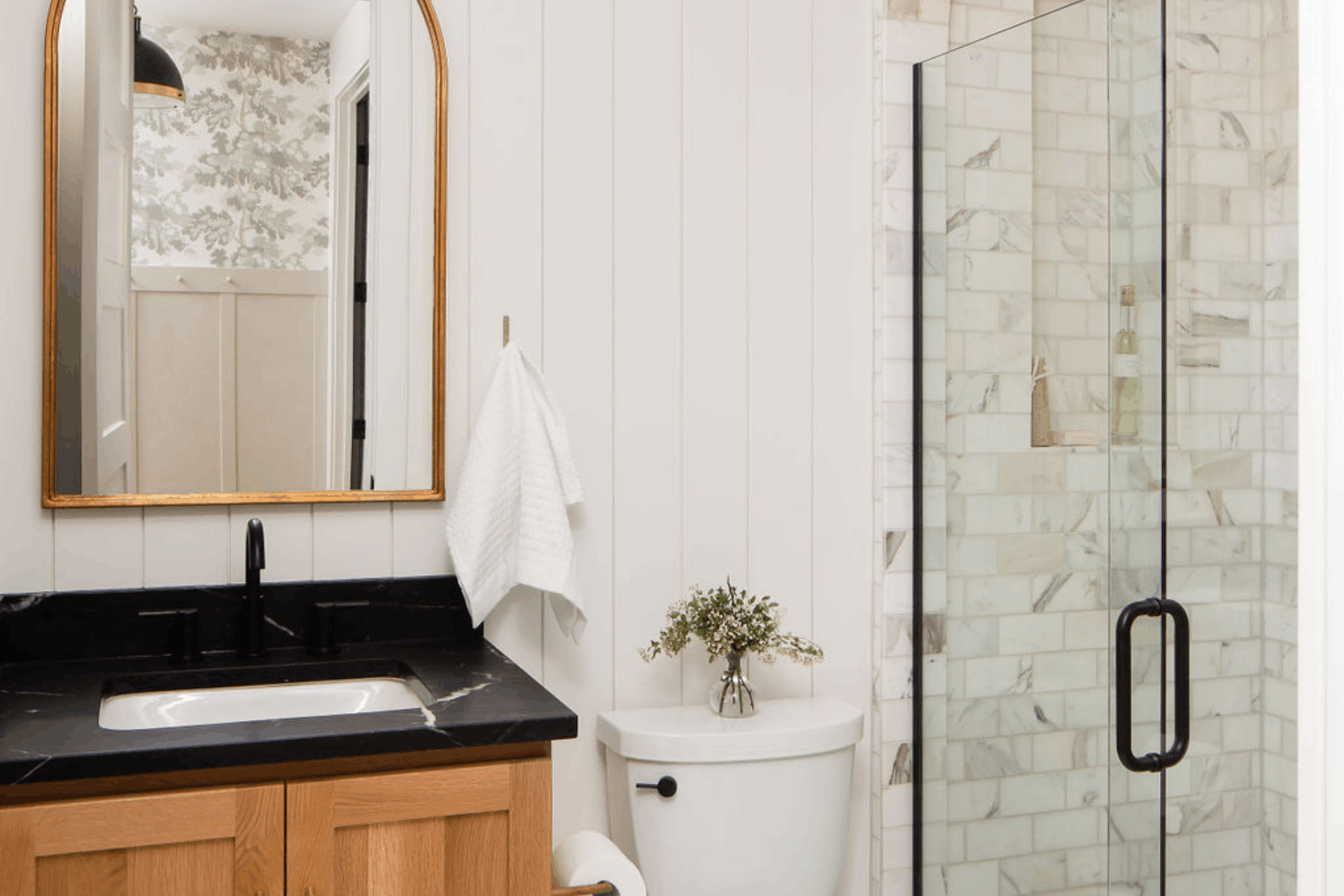
Swap worn towels for crisp white ones, add a small plant or candle, and use matching soap accessories. Hide razors, toothbrushes, and personal items in drawers. The bathroom should look clean enough that a buyer could walk in and use it immediately.
Strategy #11: Go Gender-Neutral When Staging Children's Bedrooms
Replace themed bedding and bold murals with neutral bedding and simple décor. This makes the room feel adaptable, whether the buyer has toddlers, teens, or no kids at all, and keeps them from mentally “remodeling” during the walkthrough.
Strategy #12: Refinish Damaged or Heavily Worn Hardwood Floors
If floors are scratched, patched, or dull, refinishing them before listing pays off in the showing experience. Buyers look down more often than you think, and clean flooring makes the home feel more expensive even without major upgrades.
Strategy #13: Stage the Home's Front Entrance
Remove shoes, coats, and clutter from the entryway. Add a neutral rug, a console table, and a plant or small lamp. Buyers form their opinions within the first few steps, so make the entrance feel bright, open, and intentional.
Strategy #14: Remove Signs of Pets
Put away dog bowls, crates, litter boxes, and pet blankets during showings. Vacuum and lint-roll upholstered furniture. Even if the buyer loves animals, pet odors, and clutter signal extra maintenance and can create hesitation.
Strategy #15: Clean the Main Surfaces and Flooring
Do a pre-listing deep clean focusing on floors, glass, countertops, kitchen appliances, and hardware. Shiny surfaces read as “newer” and give buyers confidence that the rest of the home has been maintained.
Staging Strategies for Sale: Frequently Asked Questions
What is the 3-foot-5-foot rule for staging?
The 3-foot-5-foot rule means that furniture should allow at least 3 feet of clearance for movement and 5 feet in shared areas. It keeps walkways clear and rooms easy to navigate during showings without crowding the space.
How to stage your house to sell quickly?
Start by editing the home and defining the purpose of each room. Focus on layout and light to guide buyers through the space. Strong staging strategies for sale help buyers understand the home without hesitation.
What is the hardest month to sell a house?
Timing varies by market, but January is widely considered the hardest month to sell a house in most markets. Buyer activity drops after the holidays, in many parts of the country, weather limits showings, and many people pause major decisions at the start of the year. Homes that list in January rely even more on strong staging to maintain interest and momentum.
How much does house staging cost?
Staging costs depend on the size of the home and how long staging is needed. Seattle Swank offers financing options to support planning and flexibility. You can get an idea of our pricing here.
Let’s Sell Your Home Fast With House Staging by Seattle Swank
We apply house staging strategies that guide buyers through the home and help convert walkthroughs into confident offers. Work with us to see results that move listings forward.