What Do Interior Designers Do: A Complete Guide (2025)
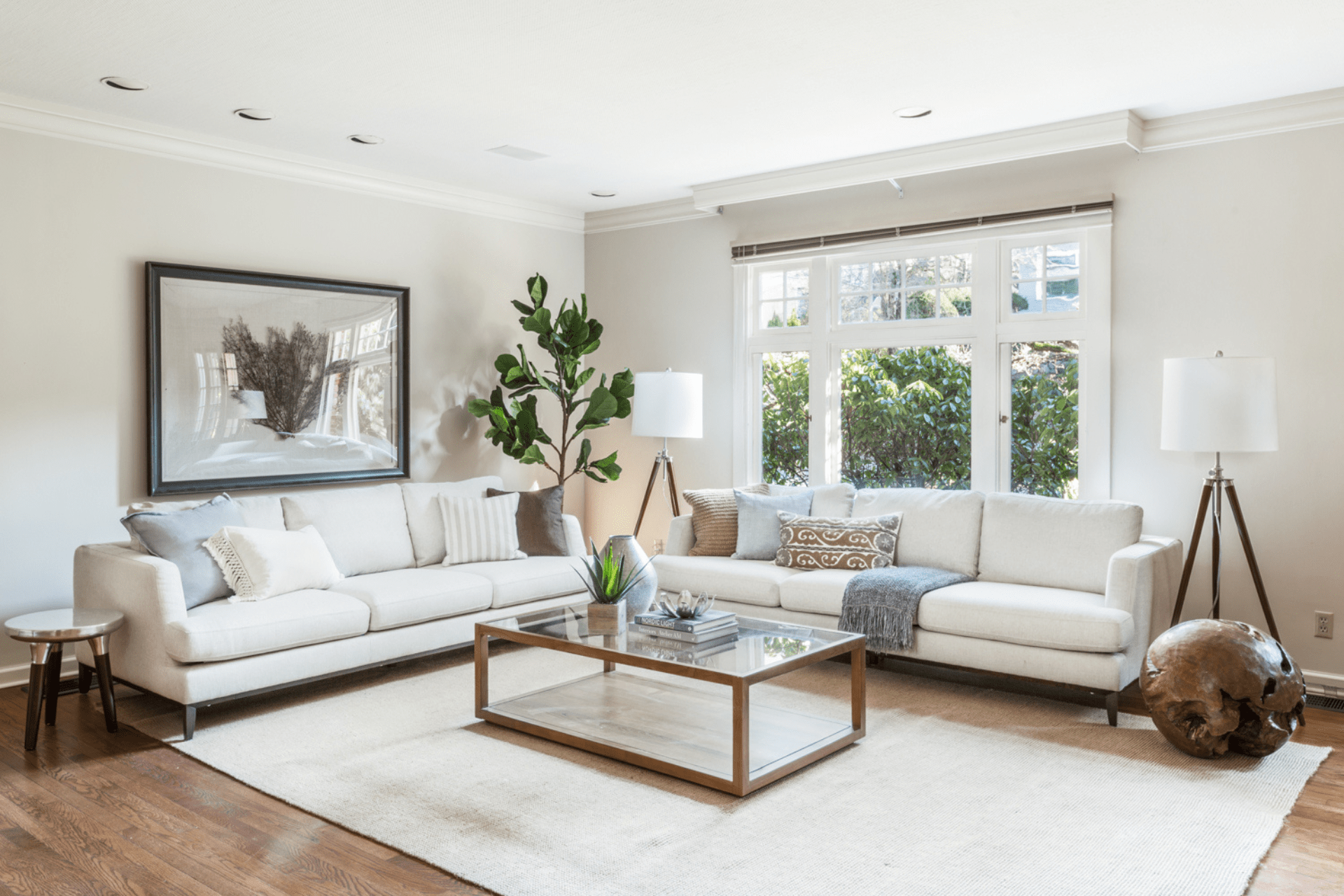
At some point, every home project reaches a moment where decisions stop feeling exciting. Layout, lighting, materials, proportion; each choice influences the next. What began as a simple refresh suddenly feels unclear and uninspiring.
That’s often when homeowners start asking what do interior designers do and begin to consider hiring a professional. Interior design is not about decoration alone. It brings structure to decision-making, alignment to the vision, and intention to how a space functions and feels.
What Is an Interior Designer?
An interior designer shapes how a space looks, feels, and functions. The work extends far beyond selecting furniture or paint colors. We evaluate layout, scale, light, and material relationships to create spaces that feel intentional rather than pieced together. From early planning through execution, a designer carries the vision forward so the home reads clearly at every stage.
Credentials and Schooling for Interior Designers
Most interior designers hold a bachelor’s degree in interior design or a related field, with training in space planning, materials, lighting, and construction basics. Many also qualify for the NCIDQ exam, a license-track credential that requires education plus supervised work hours in the field.
Roles of an Interior Designer
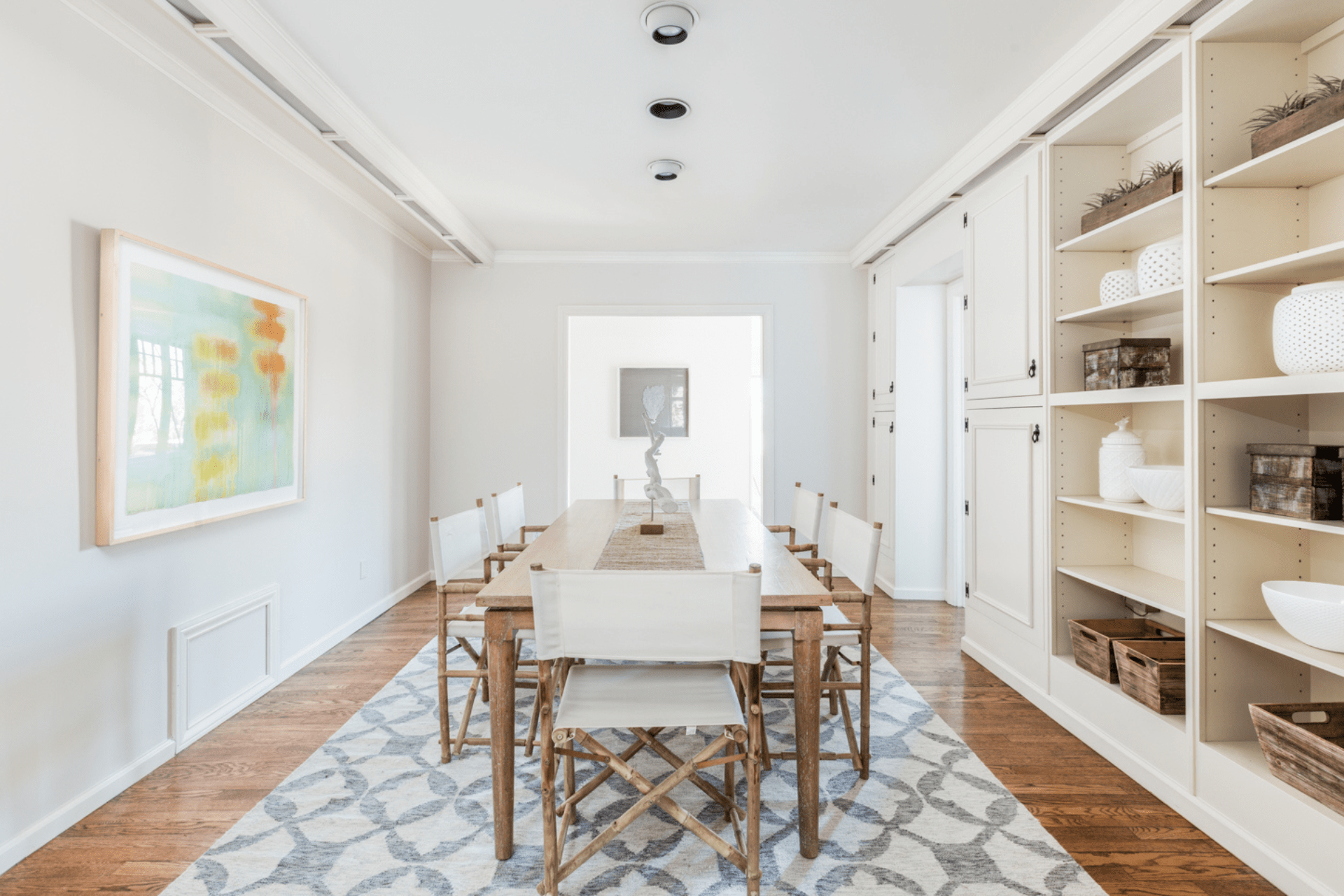
So what do interior designers do? Our role carries the vision for a space and directs the decisions that shape how it functions and feels. Our interior design services combine creative oversight with technical coordination, allowing projects to move forward without confusion or compromise. Responsibilities often include:
Planning layouts that support movement, proportion, and daily use
Guiding material and finish selections that establish cohesion
Coordinating details with contractors and trades
Managing design decisions from concept through installation
Each step of the design process should build towards rooms that are intentional, cohesive, and ready to be lived in. To further help with this, our services also include house staging and color consultation.
How To Work With an Interior Designer
Working with an interior designer is easy when the process moves in steady stages. We keep the experience simple, so you stay focused on the vision rather than the logistics. Here’s how the partnership unfolds from the first meeting to the final install.
Step #1: Consultation
This is where we walk the space, study your goals, and talk through how you want the home to function. It sets the direction for the project and gives both sides a shared understanding of what matters most.
Step #2: Custom Plan
In this step, we create layouts, source materials, and shape the design concept so you see how the space will come together. Once approved, this plan becomes the roadmap that guides every decision moving forward.
Step #3: Execution
It’s time for the space to come to life. We coordinate vendors, manage timelines, and oversee installation, while you watch the project move from idea to reality. We handle the details that carry it across the finish line.
Benefits of Working With an Interior Designer
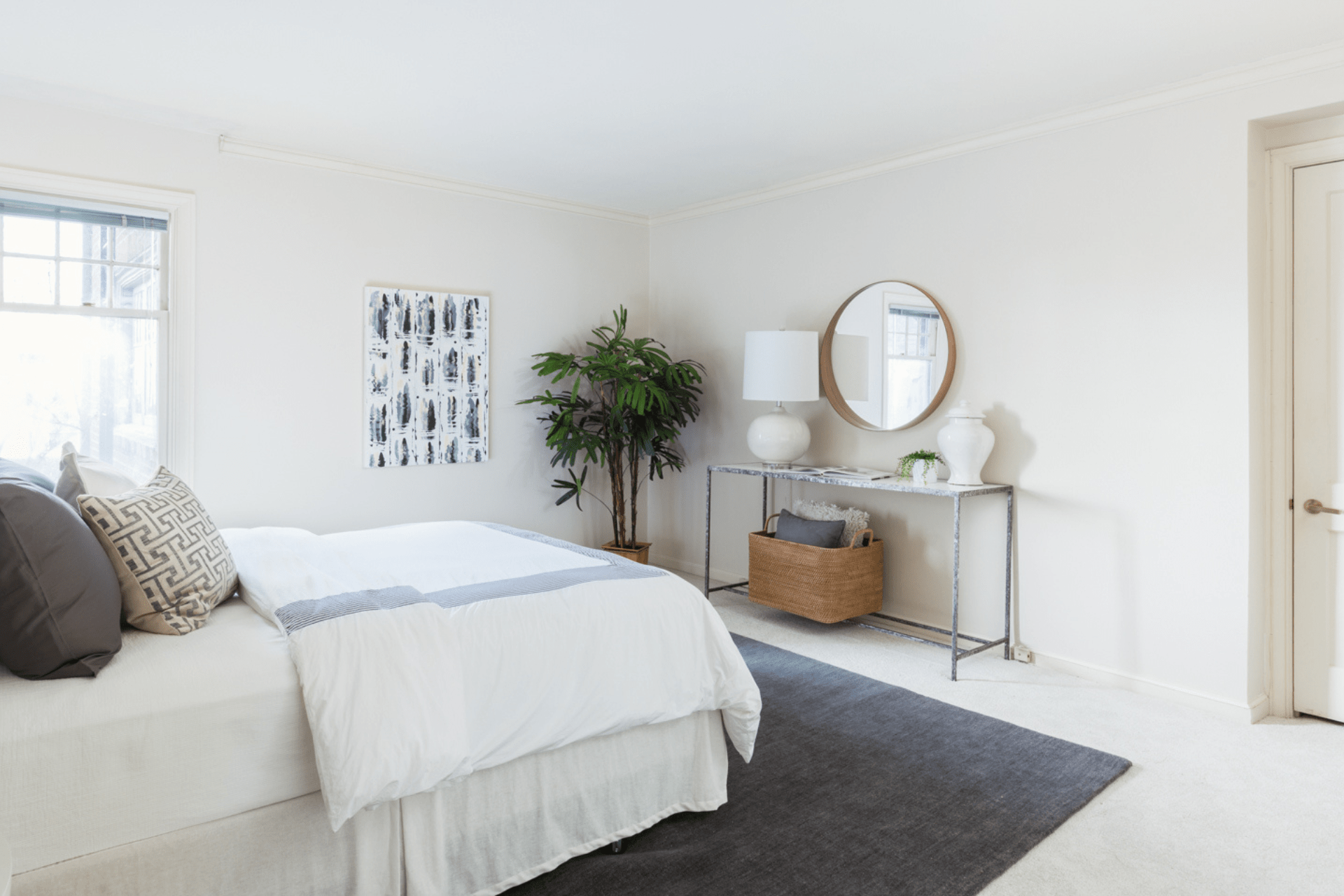
Working with a designer brings clarity to decisions that shape how you live in the space. Strong interior design is one of the most effective tools for improving comfort and function at home. The benefits below work together to create a home that is thoughtful, livable, and grounded in the goals that matter most to you.
Benefit #1: Clear, Functional Layouts
Interior designers see space differently. Rather than reacting to what already exists, they evaluate flow, proportion, and movement to create layouts that support how you actually live. The result is a home that feels open, intuitive, and easy to live in.
Benefit #2: Curated Materials That Work Together
Design is as much about editing as it is about selection. An interior designer curates finishes, furnishings, and textures that relate to one another, creating cohesion across rooms instead of a collection of disconnected choices.
Benefit #3: Purposeful, Confident Decisions
With a clear design vision in place, every decision serves a role. Instead of second-guessing each choice, a designer guides selections with intention, so nothing feels arbitrary or rushed.
Benefit #4: Time Saved Through Expert Direction
Design decisions can stall a project quickly. Working with an interior designer streamlines the process, minimizing delays, revisions, and decision fatigue while keeping the project moving forward with purpose.
Benefit #5: Increased Confidence in the Final Result
When decisions are guided by experience, the outcomes are aligned with your vision. You’ll gain confidence knowing the space has been thoughtfully planned and professionally executed from start to finish.
Benefit #6: A Fully Aligned Project Experience
Interior designers act as the connective thread between layout, materials, contractors, and execution. This alignment keeps the vision intact across every phase, resulting in a finished space that is cohesive, balanced, and intentional.
Is an Interior Designer Right for Me?
If you feel unsure about layout, materials, or how to connect the home to your daily life, a designer brings direction that removes stress and supports stronger decisions. Be sure to check out the portfolio for the interior designer you’re considering to be sure their style aligns with your vision.
What Do Interior Designers Do: Frequently Asked Questions
What are the 5 responsibilities of an interior designer?
The five core responsibilities of an interior designer are:
Space planning and layout design
Material and finish selection
Design concept development
Coordination with contractors and vendors
Oversight through installation and completion
Interior designers guide both the creative vision and the technical details, ensuring the space functions well and feels cohesive from start to finish.
What is the difference between interior design and an interior decorator?
Interior design focuses on how a space functions as well as how it looks. Designers work with layout, flow, materials, lighting, and construction details. Interior decorating focuses on styling—furniture, accessories, and visual elements—within an existing layout. Designers shape the space itself; decorators style what’s already there.
What is the 70/30 rule in interior design?
The 70/30 rule means using one dominant style or color for about 70 percent of a space and a secondary style or accent for the remaining 30 percent. This balance creates visual interest while keeping the room cohesive and easy to read, avoiding spaces that feel flat or overly busy.
How much does it cost to hire an interior designer?
The cost of hiring an interior designer varies based on project size, scope, and services. Full-service interior design typically costs more because it includes planning, sourcing, coordination, and oversight through installation. Some designers charge hourly, while others work on flat fees or project-based pricing. Many firms also offer financing options to make the investment more manageable.
Work With Seattle Swank To Design Your Dream Interior Space
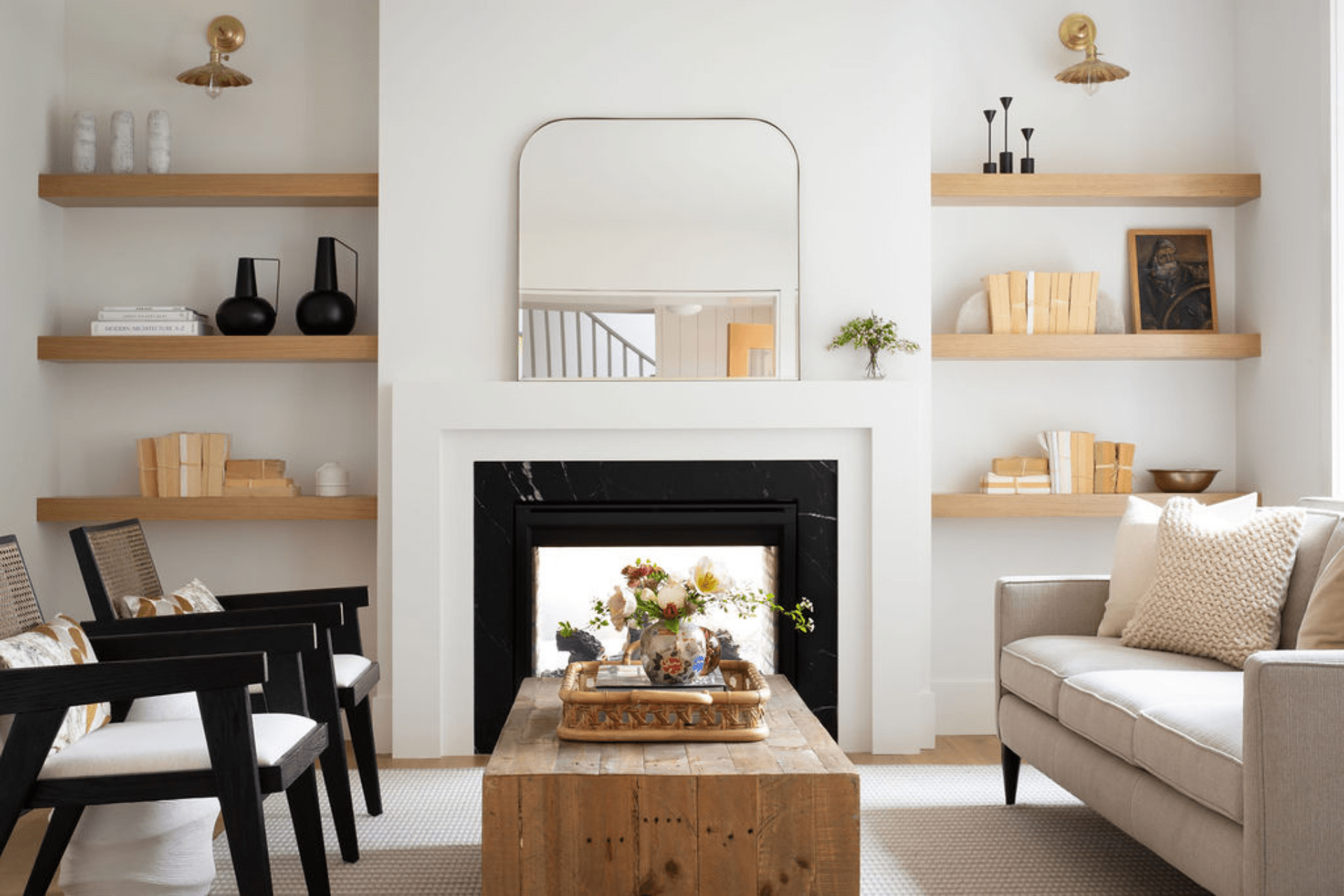
Great spaces don’t happen by accident. They’re planned, edited, and executed with care. At Seattle Swank, we guide every detail so your home feels calm, functional, and beautifully resolved. When you’re ready to move forward with confidence, we’re ready to work with you.