The Benefits of Home Staging: Does Staging Really Help Sell a House?
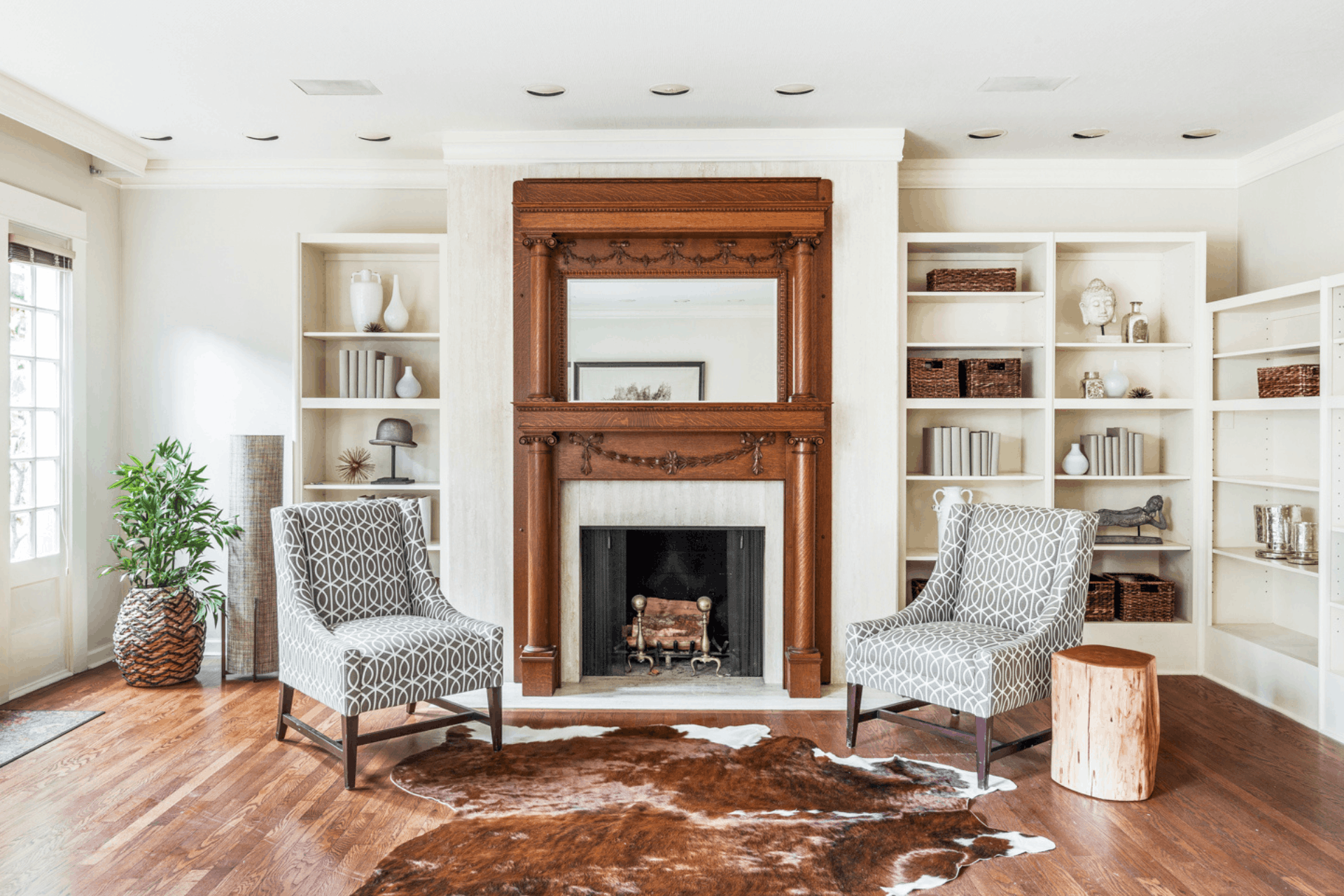
You’re getting ready to list your home, and suddenly every decision feels expensive. Paint? Repairs? Professional staging? The house already looks good, and you’re left wondering whether staging will make enough of a difference to justify the cost.
This guide breaks down the real benefits of home staging, what the data says about time on market and offer value, and how thoughtful design shapes buyer perception from the first listing photo onward.
Does Home Staging Really Work? What the Data Says
Yes. The right staging changes the way a buyer reads a home in seconds, making rooms feel clearer, more intentional, and more valuable.
According to the National Association of Realtors, 83% of buyers’ agents said staging made it easier for buyers to visualize a property as their future home, while nearly half of sellers’ agents reported that staging reduced time on market.
That’s the true power of staging: it removes guesswork and helps buyers immediately understand how the home lives.
7 Proven Benefits of Home Staging

Professional home staging does more than polish a listing. It shapes how buyers experience it.
#1. Staging Helps Buyers Picture Themselves Living There
An empty room makes buyers do the work. They have to guess at scale, purpose, and how the space could actually function. Professional real estate staging gives them that context instantly.
The sofa establishes proportion. The dining table gives open space a purpose. A quiet corner suddenly feels like somewhere they’d actually use. When buyers immediately see how the home lives, it becomes much easier to picture themselves in it.
#2. Staging Helps Your Listing Stand Out Online
Long before a buyer crosses the threshold, your home is competing on a screen.
Thoughtful staging creates depth, focal points, balance, and visual rhythm so listing photos stop the scroll. The right composition lets natural light glow, architecture speak, and rooms read clearly at a glance.
#3. Staging Can Help a House Sell Faster
Does staging help a house sell faster? Yes. NAR found that 30% of sellers’ agents saw a slight decrease in time on market after staging, while another 19% reported a significant decrease.
It makes sense. When buyers instantly understand what a room is, how furniture fits, and how the floor plan functions, there are fewer question marks floating around the showing. Good home staging quiets the noise so the home can make its case.
#4. Staging Can Support Stronger Offers
Does staging increase home value? It doesn’t change the appraisal overnight, and no stager can promise a higher sale price. But staging influences perceived value, which matters enormously when buyers are deciding what a home feels worth to them.
In NAR’s research, 29% of real estate agents reported that staging produced a 1–10% increase in the dollar value offered.
#5. Staging Makes Every Square Foot Clearer
Square footage on paper doesn’t always translate in person. A long living room may feel awkward until furniture creates two clear zones. A nook might read as wasted space until it becomes an office.
Staging doesn’t just fill rooms. It clarifies them, so buyers understand the layout faster, see how the space functions, and spend less time wondering what to do with it.
#6. Staging Spotlights Your Home’s Best Features
Every home has a story it wants to tell. The problem is that buyers don’t always know where to look. A seating arrangement pivots attention toward a Lake Washington view. Artwork pulls the eye upward toward soaring ceilings. Furniture frames a fireplace instead of fighting it.
Strategic home staging ideas consider light, proportion, movement, art, sightlines, scale, and room purpose because every design decision can either support the architecture, or step on its toes.
#7. Professional Staging Helps Buyers Feel at Home
This is where staging stops being purely visual. A buyer walks into a beautifully staged kitchen and imagines coffee before work. They see a primary bedroom and picture Sunday morning. They step onto a terrace and start planning summer nights without even realizing it.
Staging makes the shift from evaluating a property to imagining a life there.
Which Rooms Benefit Most From Home Staging?
According to NAR, the living room ranks highest when it comes to staging, with 37% of buyers’ agents naming it the top priority. The primary bedroom followed at 34%, with the kitchen at 23%.
The living room carries the emotional weight of the home, showing buyers how the space supports gathering, entertaining, and everyday life. The primary bedroom should feel calm and beautifully scaled, creating a sense of retreat without tipping into showroom territory.
In the kitchen, restraint wins. Buyers should notice the stone, cabinetry, appliances, proportions, and light, not a small army of decorative cutting boards.
Does Every Room Need to Be Staged?
No. The right staging scope depends on the property, architecture, existing furnishings, target buyer, price point, and where presentation will make the greatest difference.
Some homes need full vacant-home staging. Others benefit from partial staging or a focused approach in priority rooms. Professional home staging technique responds to the home, not march the same furniture package through every front door.
DIY vs. Professional Home Staging: What Do You Gain?
Homeowners can do plenty before listing: declutter, deep clean, make repairs, remove highly personal belongings, and simplify surfaces. Professional home staging adds an objective design strategy built around the prospective buyer, not the current owner.
Knowing how to professionally stage a home for sale means selecting furniture for proportion, shaping traffic flow, choosing art and accessories deliberately, refining lighting, understanding how rooms will photograph, and creating a visual experience that fits the target market.
If you want our advice, do the prep work yourself, but leave the strategy to a professional stager who knows how to design for the buyer, the property, and the market.
Why Home Staging Matters in Seattle

Seattle and Eastside homes come with their own design opportunities: dramatic views, moody natural light, indoor-outdoor relationships, architectural character, luxury finishes, open layouts, and high-end new construction.
Those homes deserve staging that responds to what makes them distinctive. A Mercer Island home overlooking the water shouldn’t feel like a Kirkland new build. A Medina estate shouldn’t be staged like a compact Seattle bungalow.
Is Home Staging Worth the Investment?
In many cases, yes. Professional staging is worth the investment because it helps buyers understand the home faster, strengthens perceived value, and can support a quicker sale or stronger offer.
In the Seattle area, most staging projects typically range from $1,500 to $4,000, depending on the size of the home and scope of staging. Vacant and luxury properties can require a larger investment because they need more furniture, installation, and higher-end inventory.
The real question isn’t simply what staging costs. It’s what it could cost to bring a valuable property to market without presenting it at its best.
Stage Your Home to Sell With Seattle Swank
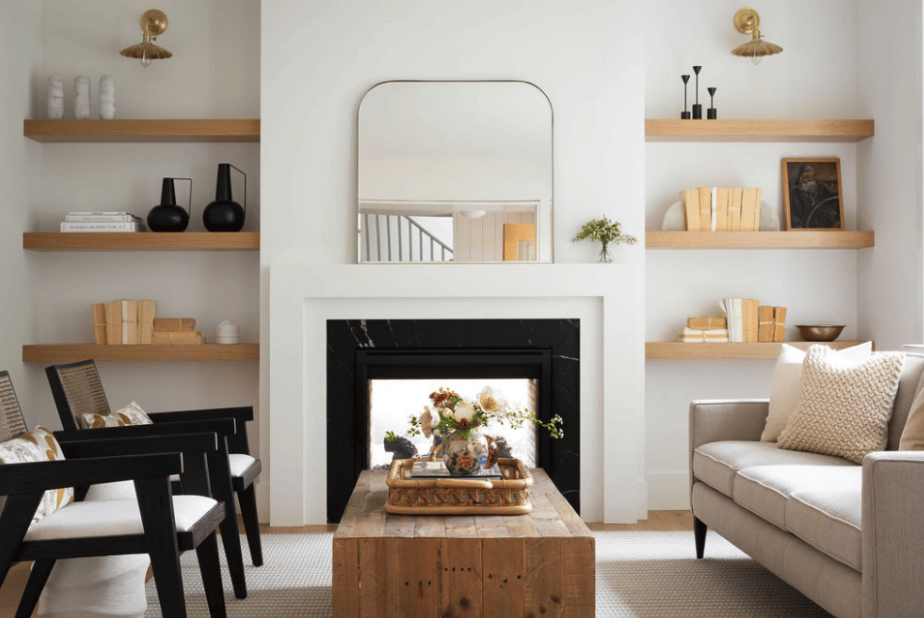
Your home gets one chance to make its first impression. Make it count. Seattle Swank combines interior design expertise with real estate strategy to create spaces buyers understand, experience, and value from the moment they see them. Reach out today.
Benefits of Home Staging: Frequently Asked Questions
Does staging a home really help?
Yes. NAR found that 49% of sellers’ agents observed some decrease in time on market for staged homes. Staging also makes it easier for buyers to understand scale, function, and how the home could support their life.
Do houses sell better when staged?
They can. Staging doesn’t change a home’s intrinsic value, but it strengthens perceived value and buyer response. NAR found that 29% of agents reported staged homes receiving offers 1–10% higher in dollar value.
What are the biggest home staging mistakes?
Common mistakes include using furniture that’s the wrong scale, overcrowding rooms, ignoring awkward spaces, over-accessorizing, and staging every home with the same generic look. Good staging should clarify the space, support the architecture, and feel right for the buyer.
How much should staging a house cost?
Costs vary widely based on the size of the home, furniture needed, installation scope, and how long the staging remains in place. NAR reports a median staging expenditure of $1,500 as broad industry context, but higher-end or larger homes require a much larger investment.
Is it better to stage a house or sell it empty?
In many cases, staging gives buyers more context than an empty home can. Furniture establishes scale, defines room purpose, and helps buyers understand how the space actually functions instead of asking them to mentally furnish it themselves.
Where do home stagers get their furniture from?
It depends on the stager. Professional staging companies may own and warehouse their inventory, source from trade vendors, or use a mix of designer and retail furnishings.