Harmony in Interior Design 101: A Complete Guide
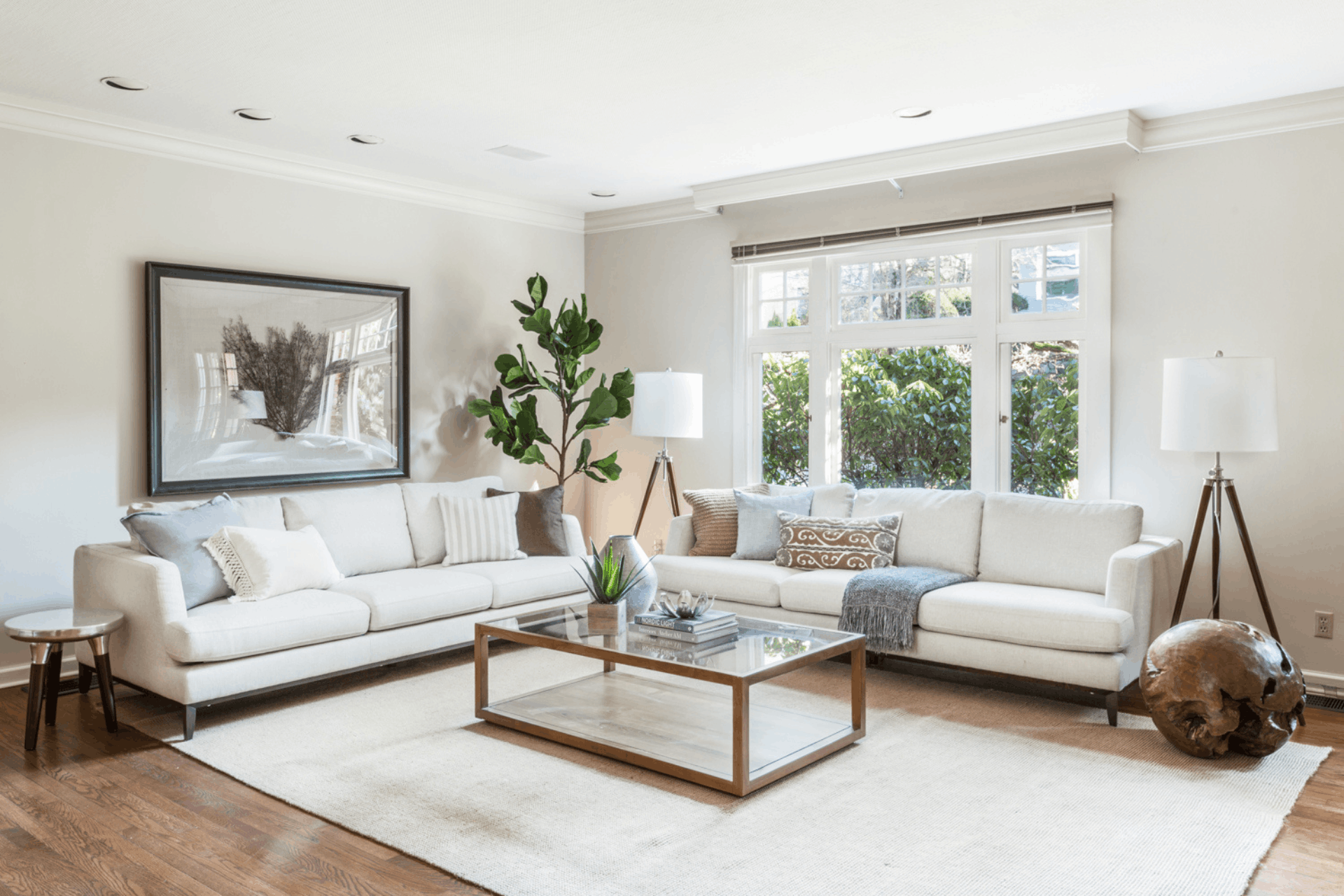
Despite your best efforts to finish a room, something still feels off. You sense it every time you walk in the room, but you can’t pinpoint the problem. The furniture works, and the colors make sense, so what gives? Your space is missing harmony.
It’s our job as interior designers to recognize the importance of harmony in interior design and help clients create it with ease. Let’s get into it.
What is Harmony in Interior Design?
Harmony in interior design is arranging elements so they work together to create balance and flow. Color, scale, material, and layout relate to one another so nothing competes for attention.
When harmony is present, the home feels complete and not sectioned off. Harmony is important whether you’re a new homeowner or looking for staging strategies to sell your home.
4 Elements That Create Harmony in a Room
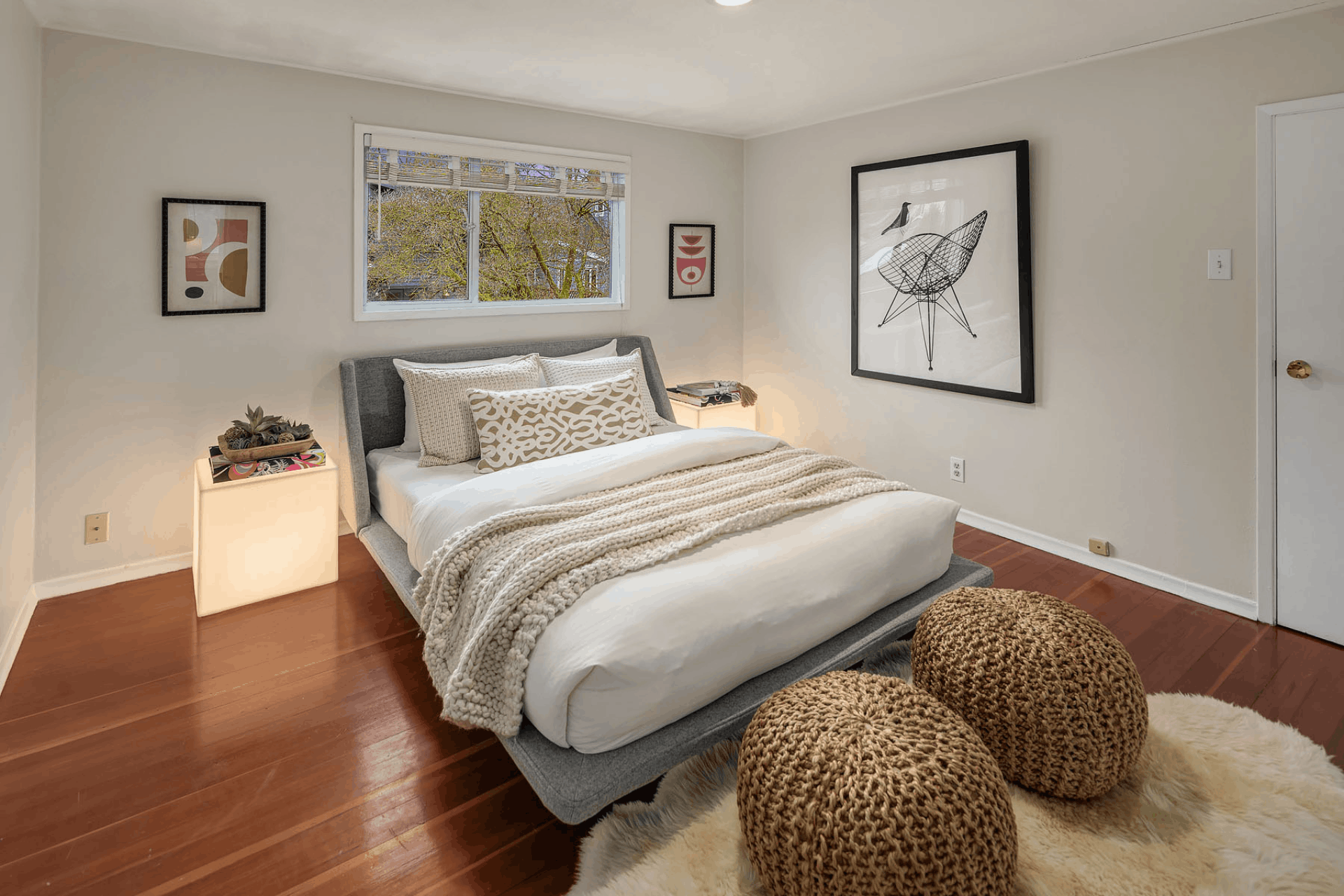
We use intentional, connected elements to create harmony in interior design. Whether we’re staging a home for sale or creating your dream home, we use the following design elements to bring cohesion to your space.
Color Harmony
Our interior designers create color harmony through repetition and restraint rather than variety. Related tones across walls, furnishings, and finishes help the eye move smoothly through the room. This consistency creates harmony by keeping attention on the space rather than on the contrast.
Texture and Material
Texture and material add depth when they relate to one another. Mixing finishes works best when there is a shared quality such as warmth, tone, or scale. This relationship keeps the room layered without visual noise.
Form and Shape
Form and shape influence how grounded a space appears. We use repeating curves, lines, and profiles across furniture and decor to build rhythm here. When shapes relate, the room comes across as intentional rather than pieced together.
Layout and Spatial Flow
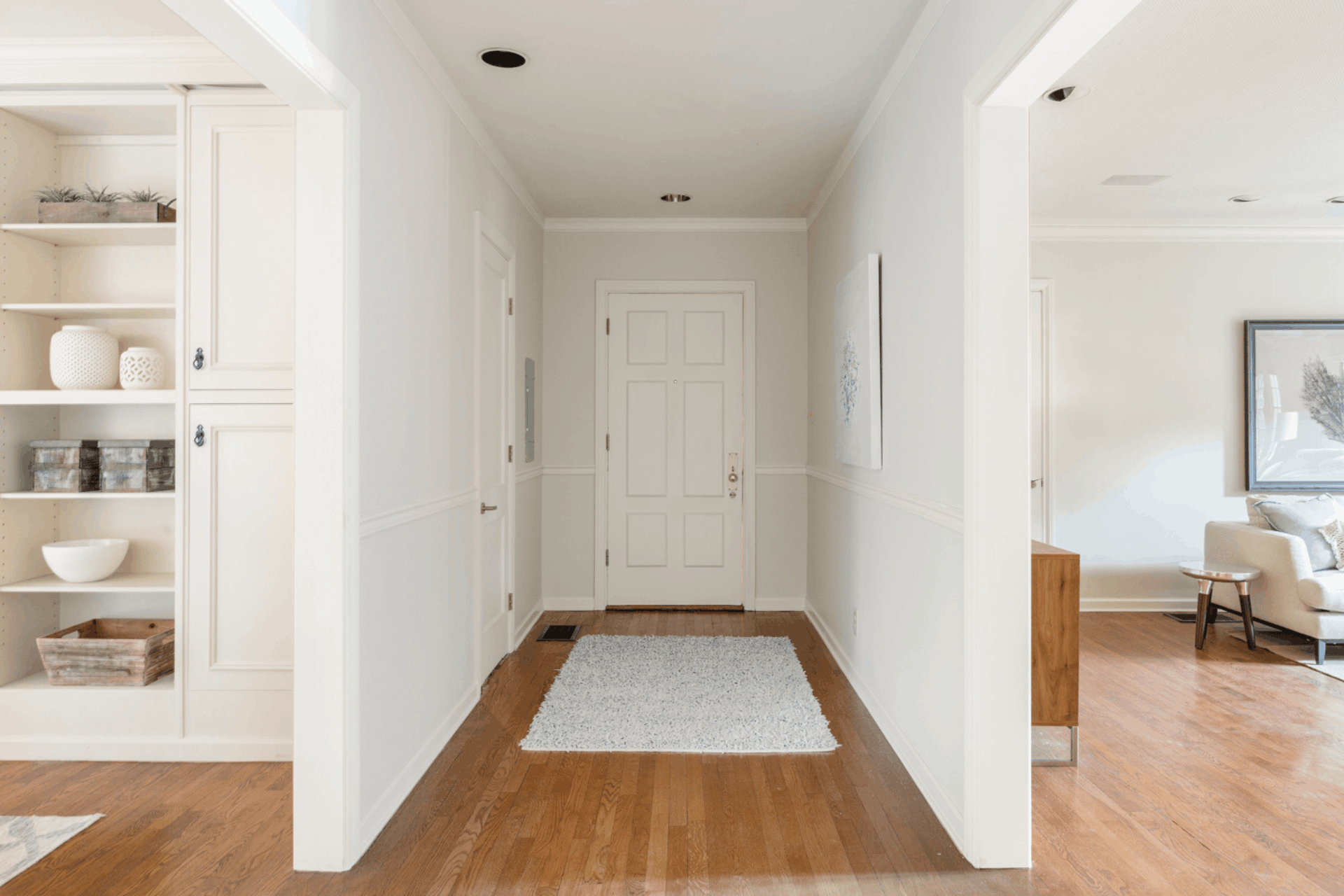
Layout and flow determine how the room functions from one area to the next. Clear pathways and purposeful furniture placement guide movement through the space in a natural way. Strong spatial flow reinforces harmony by supporting how the room is used day-to-day.
10 Tips to Create Harmony in Interior Design
Harmony comes from a series of small, aligned decisions rather than one defining choice. The following tips will help you connect each room visually to support harmony in your interior design.
#1. Choose a Balanced Color Scheme
A balanced palette uses similar tones from the same color scheme across rooms and spaces. This foundation of repetition supports harmony in interior design by reducing visual interruption.
#2. Mix Textures for Depth
Texture adds dimension when materials share a common tone or scale. We like to layer wood, stone, fabric, or metal to keep the room dynamic without distraction. Depth works best when it stays controlled.
#3. Scale Furniture for Balance
Furniture should complement the size of the room. Oversized or undersized pieces that are disproportionate to the room disrupt the space. Balanced scale keeps the room grounded.
#4. Create Flow With Open Space
Open space allows design elements to breathe. Clear paths support movement and purpose. Flow reinforces harmony by guiding how the room is used.
#5. Balance Light and Shade
We’ve found that light and shadow transform a room. Natural and artificial lighting should work together to avoid harsh contrast. Balance keeps attention evenly distributed.
#6. Use Symmetry or Asymmetry
Both symmetry and asymmetry create order when used intentionally. Repetition anchors the eye while variation keeps interest. Both methods support harmony in interior design.
#7. Add Natural Elements
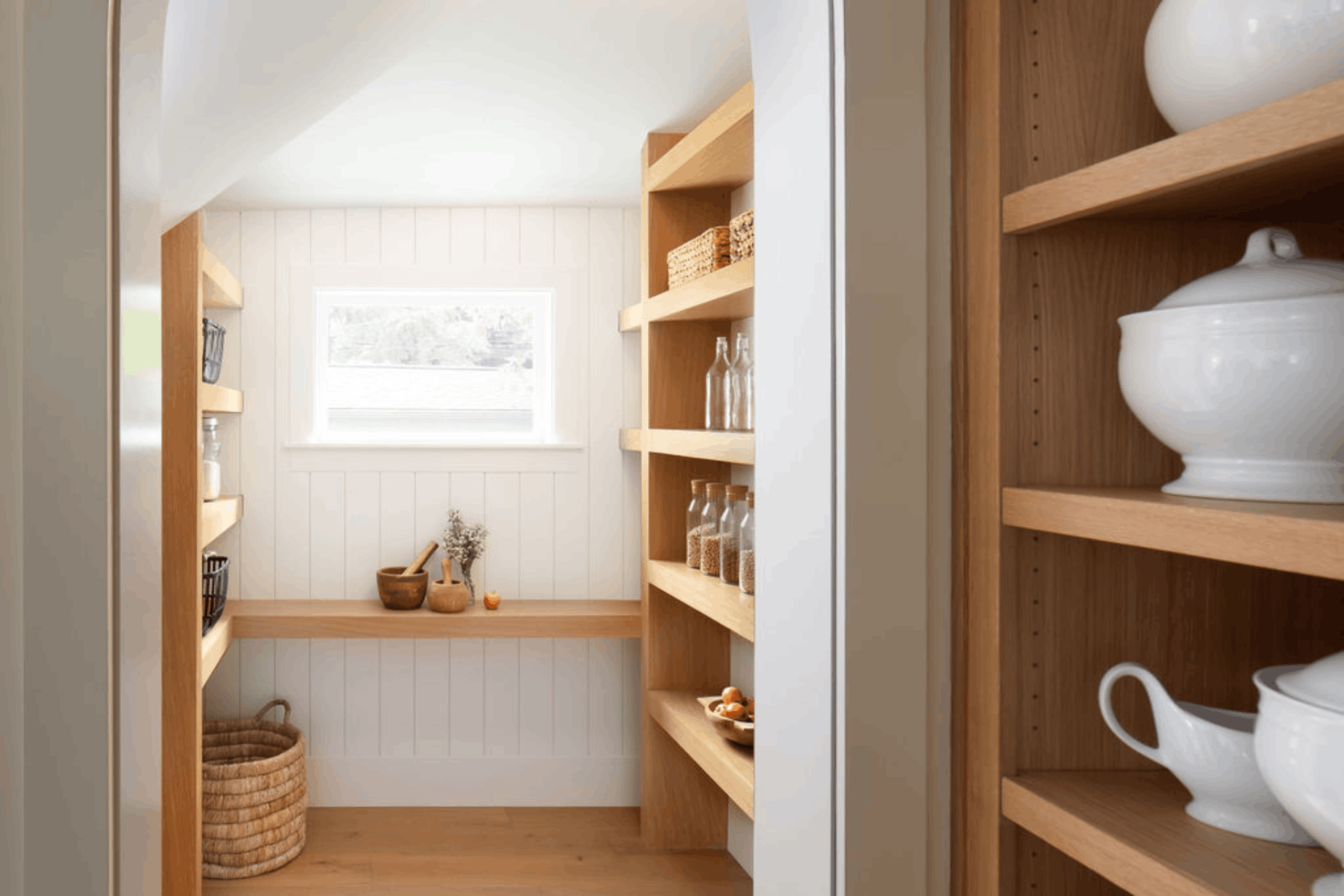
Natural materials bring softness and make the space feel grounded. Wood, stone, and greenery connect the rooms. These elements support continuity without repetition.
#8. Focus on a Focal Point
We always use a focal point. A focal point gives the room a clear starting place. Art, architecture, or a view anchors the layout.
#9. Create a Feeling
We love it when rooms communicate a feeling. Create a clear mood through color, texture, and scale. Consistent cues create alignment that supports harmony across decisions.
#10. Create Consistency
Consistency links rooms together through shared finishes or forms. Small repetitions create cohesion without sameness. Harmony in interior design relies on this steady connection.
Harmony in Interior Design: Frequently Asked Questions
What is the concept of harmony?
The concept of harmony centers on visual connection and continuity. Repetition and restraint help rooms feel cohesive. Things such as color and textures are consistent and don’t pull focus away from the whole.
What are the 5 principles of harmony?
The 5 principles of harmony are consistency, proportion, rhythm, balance, and flow. These principles guide how elements relate across a space.
What is the difference between harmony and unity in interior design?
Unity focuses on sameness and repetition. Harmony allows variation while keeping elements connected. Harmony gives rooms personality without visual tension.
How do you create harmony without every room feeling the same?
You create harmony without every room feeling the same by repeating a few consistent design elements, like a cohesive color palette, similar materials, or shared finishes, while varying the furniture, artwork, and textures from space to space. Each room should feel related to the next, but still have its own purpose, mood, and personality.
How much does it cost to hire an interior designer?
How much an interior designer charges varies based on scope, timeline, and the level of service. Full-service design reflects planning, sourcing, and project oversight. Seattle Swank offers different design levels and flexible financing options, which you can find through Notable.
Let’s Create Harmony in Your Space: Work With Seattle Swank
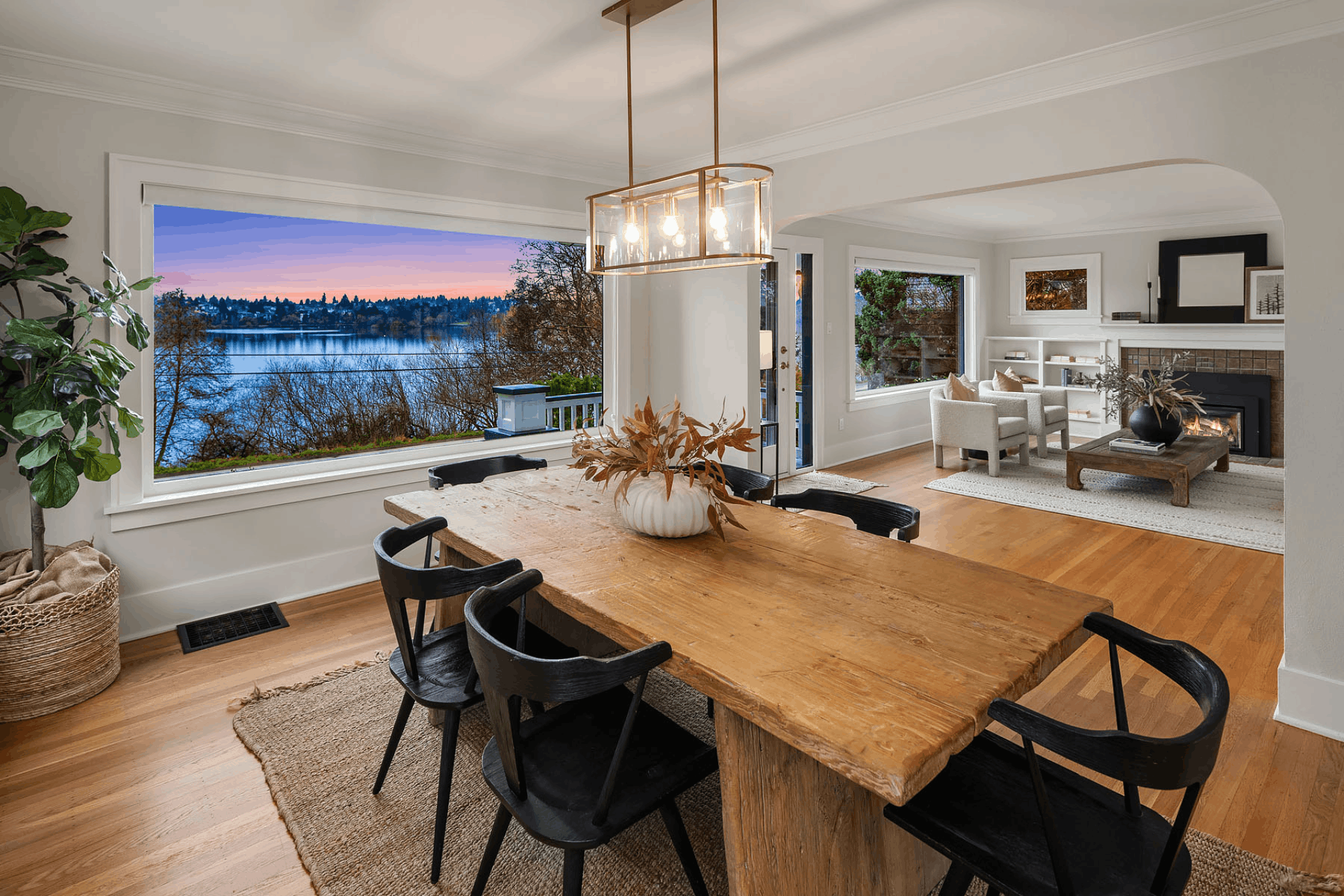
We help clients create harmony in interior design by guiding every decision with intention and clarity. If you’re ready to work with a team that truly understands how cohesion shapes the experience of a space, we’re ready to help.