17 Questions to Ask Before Hiring an Interior Designer
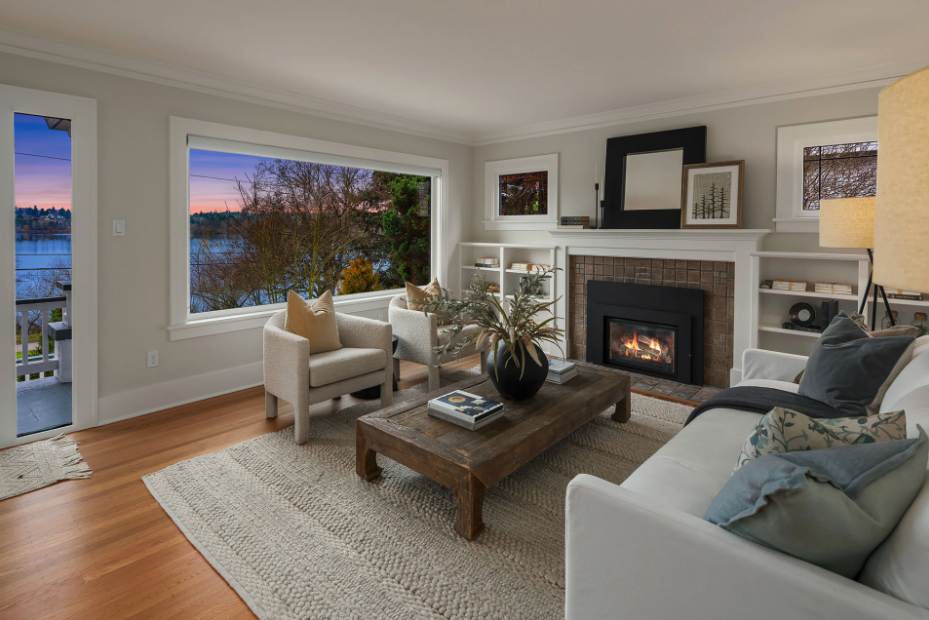
Paint colors that inspire conversation. Seating and fabrics that invite you to curl up and stay awhile. Rooms that radiate with energy, for a home that exudes personality. Interior design lets the soul of your space speak. Interior designers give it a microphone.
But we’ve found that when you’re hiring an interior designer, it’s important to look past their portfolio. Yes, aesthetics and style are what first capture your eye, but project management, experience, and collaboration are what create successful interior design projects.
This guide outlines the right questions to ask before hiring an interior designer, so you can guarantee you’re working with the right partner, the one who can create the energy and atmosphere you’ve always envisioned.
Asking the Right Questions Matters
Transparency, clarity, and artistry all matter when hiring an interior designer. Asking thoughtful, strategic questions before signing a contract confirms that you’re working with the right partner for your project, which, no matter how small, can add to the resale value of your home (hardwood floors alone can add an ROI of 147%!).
A Beautiful Portfolio Doesn't Tell the Whole Story
A designer’s eye is important, but so is their process. How a designer approaches projects and their specific genre of expertise is information you want to know before hiring, and you can’t get it just from looking through a portfolio.
Design Projects Are Built on Communication and Trust
More than just decorating, creating your ideal space is a collaborative process. Asking an interior designer interview questions will help you gather information and get to know them as a person. Plus, you’ll build trust and feel more comfortable raising any questions or comments.
Choosing a Designer Is About More Than Style
We know that you care for attention to detail, refined taste, and upscale results, but, more than that, you want the process of your design project to be breezy, timely, and enjoyable. This starts by asking questions.
Rather than just trusting their taste, learning about a designer’s communication style, project management approach, and experience will help you determine their overall fit for your project. With these questions to ask before hiring an interior designer, you can find a partner who elevates your vision, rather than one who turns design into a battle.
Question #1: What Is Your Design Philosophy?
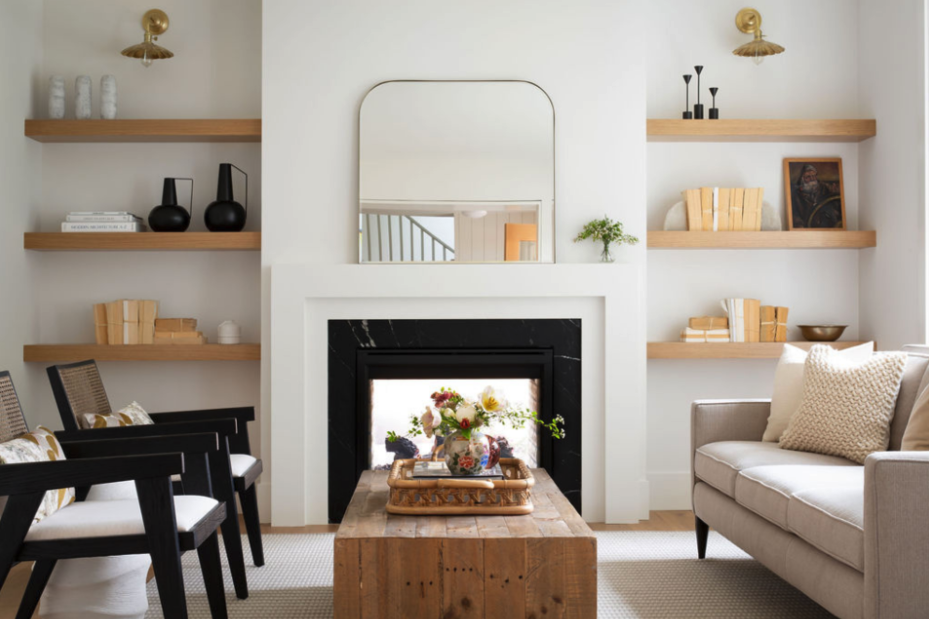
One of the first questions to ask before hiring an interior designer is about their beliefs regarding how spaces “should” function and feel.
How Designers Approach Function, Beauty, and Livability
Interior designers care about more than the look of your space; they also consider function and accessibility. Interior designers thoughtfully blend these elements, so each aspect of the design informs your daily life in the space.
Why Philosophy Shapes Every Design Decision
From layout decisions to finish selections, a designer’s philosophy determines the specific way they meld the elements of beauty, livability, and function. Choosing an interior designer means identifying which element you wish to maximize, and finding the designer who can help you do so.
Question #2: How Do You Decide Which Projects to Take On?
Each interior designer and each design project has different requirements.
Understanding Client Fit
A designer must understand your personal style, budget, and lifestyle before signing a contract. When the client and the designer share a harmonious understanding of the project goals, it makes for a good fit and wow-worthy results.
Why the Best Designers Don't Say Yes to Every Project
The best designers know their strengths, timelines, and expertise. To protect their personal timelines and budgets (and to prevent poor-quality work), many designers will turn down projects where the client doesn’t fit or where they feel they can’t deliver their best results.
Question #3: What Is Your Experience in the Industry?
Your questions for an interior designer should include inquiries about their past project experience.
Experience With Similar Homes and Projects
If this is a designer’s first attempt at a project like yours, you may end up with unsatisfactory results. But when you know that a designer has completed projects similar to yours, it shows a designer's dependability and competence, building trust between the client and the designer.
Why Expertise Matters During Unexpected Challenges
A designer’s level of expertise determines how they respond to sudden project changes or challenges. Depending on their confidence and experience, they may pivot calmly or unexpectedly delay the project to discover a solution.
Question #4: Can I See Examples of Your Work?
Patterns, trends, material selection, and design cohesion are all visible in past project examples.
Looking Beyond Pretty Pictures
Past the initial look at a portfolio, ask why a designer made specific decisions and how they worked within the space. Pay attention to the portfolio's design as well, as it provides additional insight into the designer’s personal process.
How to Evaluate a Portfolio Effectively
When assessing an interior designer’s portfolio, remember to assess their problem-solving abilities, before-and-after photos, and consistency in style and quality. Looking for these things reveals a potential designer's level of commitment and caliber.
Question #5: What Services Do You Offer?
We’ve found that asking about interior design services is one of the most informative questions to ask before hiring an interior designer.
Full-Service Interior Design
Full-service interior design works across the entire home to create a cohesive, complete environment. This service works with layout, lighting, materials, furniture, and finishes.
Renovation and New Construction Design
An intensive kind of interior design involves breaking down walls, building new features, or constructing an entirely new property. Similar to full-service design, the designer engages with the entire home to create a unified project.
Furniture Selection and Styling
At a more surface level, furniture and decor selection is about revamping your home without changing the bones or layout.
Color Consultations and Material Selections
Some interior designers, like Seattle Swank, offer color consultations to guide your home’s energy and atmosphere through paint colors and material choices.
Question #6: What Is Your Design Process?
A designer’s unique interior design process outlines project order and affects the project timeline.
From Discovery to Installation
Asking about a potential partner’s process reveals details about how they develop their design ideas, their capacity for on-site creativity, and their approach to installing the design in your home.
Why Process Creates Better Outcomes
Having an established interior design process lays the foundation for your project. It eliminates uncertainty by determining which areas to leave open for creativity and which parts of the home you have a definitive vision for.
Question #7: How Do You Handle Project Management?
Asking about project management reveals if your designer is the right fit for your project’s depth, cost, and overall visual appeal.
Contractor Coordination
Furniture and equipment deliveries, along with electrical and plumbing specialists, are potential aspects of your design project. Before hiring, ask your interior designer how they plan to manage these elements.
Material Tracking
From sample ordering to vendor suppliers, whether in a spreadsheet or in a notebook, it’s important to know how your materials are being monitored.
Timeline Management
Transparency is key to your project timeline. Ask potential designers how they track material delivery dates and plan for the installation of your design.
Problem Solving During Construction
Does your designer build in time for potential setbacks or structural adjustments? We’ve found it’s beneficial to account for this time and to know whether your designer has flexibility when needed.
Question #8: How Many Projects Do You Manage at One Time?
Some questions to ask before hiring an interior designer should include the size of their team and the amount of work they are accustomed to.
Understanding Capacity
The number of projects a designer undertakes depends on their ability to manage design intensity, timelines, and material availability across multiple projects. Additionally, smaller interior design firms handle fewer projects than larger firms with more members.
Why Availability Impacts Client Experience
A potential partner’s availability affects their response times and project schedules, which in turn affect their communication and your experience as the client.
Question #9: How Do You Communicate With Clients?
Among the questions to ask before hiring an interior designer, inquiries about communication are some of the most important.
Expected Response Times
For both your benefit and the designer’s, knowing typical design approval and response times makes for a smooth project without confusion.
Meetings and Updates
How does your potential designer intend to keep you updated during the project? Over the years, we’ve found that regular, transparent communication and meetings after your initial interior design consultation are key to maintaining a stress-free process.
Keeping Projects Moving Forward
Consistent, dependable communication protects your projects from unnecessary delays. It also keeps the designer on track with your vision, and you, the client, in the know.
Question #10: What Is the Timeline for My Project?
Above all, when thinking of questions to ask before hiring an interior designer, you want to know how long it will take to create your dream design.
Typical Design Timelines
A single room refresh without construction typically takes two to four months. Kitchen projects usually have a timeline of three to nine months, and bathroom designs are three to four-month projects. For a whole-home redesign, you’re looking at six to twelve months, and for a whole-home renovation, it can take upwards of twelve months.
Factors That Affect Scheduling
The timeline for your interior design project relies on material availability, the number of custom features, plumbing and electrical work, construction, and possible structural adjustments.
Question #11: How Do You Approach Budgeting?
Your design partner should be transparent about how their designs account for your budget.
Setting Realistic Expectations
Asking your potential partner about budgeting helps you discover what is possible and plausible for implementing your vision into your space.
Managing Investment Decisions
Questions about your designer’s approach to budgeting can also lead to information about payment plans and your capacity for long-term investment in your home.
Avoiding Costly Surprises
Learning about your budget constraints before your project begins helps you prepare for planned costs and account for wiggle room in your budget, which you may (or may not) need.
Question #12: How Do You Charge for Your Services?
Cost calculations are part of the collaboration on every interior design project.
Hourly Rates
For smaller, lighter projects, designers often charge hourly rates, with the client paying for the time the project takes. This includes sourcing and site visits, and can be more costly if you’re working with a designer who has more experience.
Flat Fees
When a designer knows exactly what a project requires, they usually charge a fixed, flat fee that the client knows upfront.
Design Retainers
If a designer uses a design retainer, they bill the client to start the project, then charge the client for the remainder later. This method is usually used for projects of longer length and greater depth.
Procurement and Purchasing Fees
As we’ve mentioned, your designer manages material and contractor sourcing. As the client, you’ll likely pay a fee to cover the labor of obtaining these materials or for special decor items.
Question #13: Who Are Your Suppliers and Vendor Partners?
As an interesting, additional way to strengthen your relationship with a potential partner, ask about their suppliers. Plus, these questions to ask before hiring an interior designer will help you learn where your design will come from.
Access to Trade Resources
For every designer, their connections and on-hand inventories differ. As the client, it’s beneficial to understand your designer’s access to supply materials and contractors for your project.
Why Vendor Relationships Matter
Vendor relationships can be with local or large companies. If a designer has trusted, long-term relationships with their vendors, it demonstrates their dependability and speaks to the quality of the items brought to your home.
Question #14: Do You Share Trade Discounts?
For interior designers, trade discounts are specialized, reduced prices offered by suppliers to improve access to materials.
Understanding Industry Purchasing
Designers will recommend furniture or decor ideas to you. Often, before making their suggestion, they will contact the supplier to determine whether trade prices are available. If you approve your designer’s recommendation and a trade discount is available, the designer may either keep the discount, split it with you, or pass the full discount to you.
Questions Homeowners Should Ask
Beneficial trade discount questions to ask before hiring an interior designer are:
Do you let your clients see the original vendor prices?
How much of your trade discount is given to your clients?
Are trade discounts accessible for all of my materials?
Question #15: How Collaborative Is Your Process?
It’s your home and your design. Knowing how involved you want to be is crucial to finding the right interior designer.
Hands-On Clients vs. Hands-Off Clients
Hands-on clients typically want to aid in material sourcing and have a hand in on-site collaboration. Hands-off clients are okay with setting the style from the start and letting the designer do the rest of the heavy lifting.
Finding a Designer Who Matches Your Style
Asking about collaboration will help you find a designer that is comfortable with your desired level of involvement. But, whether you are a hands-on or hands-off person, a good designer should feel comfortable keeping you informed frequently and consistently.
Question #16: What Designers or Design Movements Inspire You?
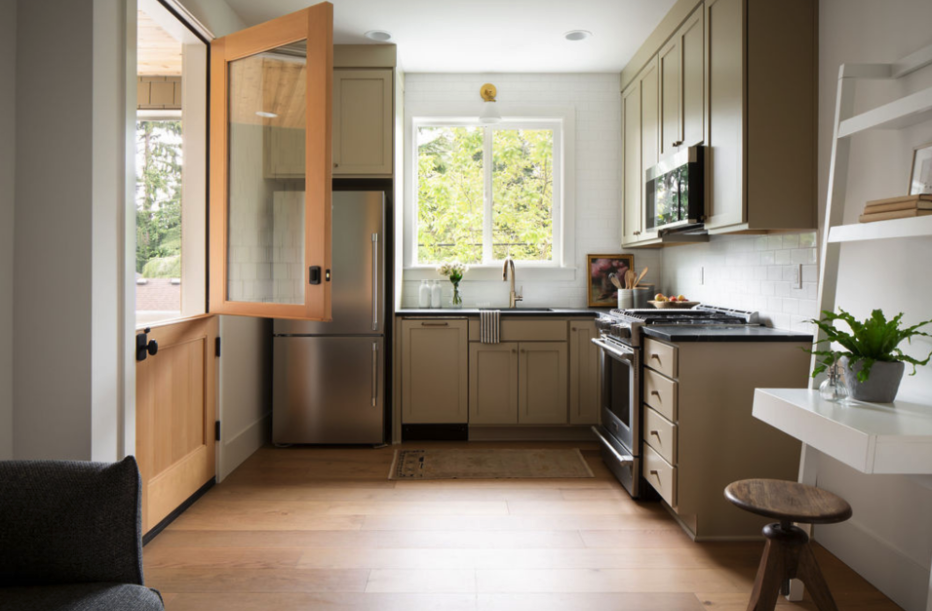
One of our favorite questions to ask before hiring an interior designer is about their artistic influences.
Understanding Design Influences
A designer’s inspiration can sprout from a variety of different sources. History, architecture, art movements, nature, and psychology meld to shape a designer’s eye and inform their perception of space, texture, and color.
What Inspiration Reveals About a Designer's Work
Your potential designer’s influences are key to understanding how they prioritize specific aspects of the space, make decisions, and problem-solve during your project. Finding the right designer for your project means finding someone who matches your personal artistic inspirations.
Question #17: Do You Have a Signature Style?
Finally, the last of our questions to ask before hiring an interior designer digs into style.
The Difference Between Personal Style and Client-Focused Design
Some interior designers like to work on projects where they can create spaces that reflect what design personally means to them. Other designers strive to expand their portfolios, working with a variety of clients to satisfy several kinds of artistic visions.
Why Adaptability Matters
In your search for an interior designer, you want someone who listens and seeks to turn your goals into reality. A designer’s willingness and adaptability speak to their resourcefulness, process, and problem-solving capabilities during your unique project.
Red Flags to Watch For When Hiring an Interior Designer
Choosing your interior design partner should be a careful screening process to guarantee you’re working with the right person for your project.
Vague Answers About Process
If a designer is vague about their process, it’s a warning sign for possible delays and budget implications. A good partner provides you with a clear-cut, detailed plan for your space.
No Discussion of Budget
If budget is ignored during your interior design consultation, it signals that your potential designer has muddy priorities, lacks consistency, and may not be fully willing to cooperate with your needs.
Poor Communication
From the start, your designer should be open, honest, and consistent. Delayed response times or vague answers can leave you confused, stressed, and with unsatisfactory results.
Lack of References or Portfolio Examples
When a designer cannot show you their past projects, it can lead to an untrusting relationship and feelings of doubt about the quality of their work.
Why Homeowners Choose Seattle Swank
The Swank process prides itself on transparency, beauty, and livable luxury.
Design That Balances Beauty and Function
We believe in creating unique spaces with both picturesque, quality looks and breathable accessibility for daily life.
A Collaborative Client Experience
We don’t leave you stranded. We want our clients to feel as though they truly had a hand in their design so they can confidently claim their space as their own.
Clear Communication and Project Guidance
For each of our projects, from material selection to installation, we prioritize providing multiple design options and keeping you informed through every step.
Cohesive Interiors Designed Around Real Life
We understand that daily life can be hectic. We design your home to have the space and capacity to meet all of your daily needs.
Questions to Ask Before Hiring an Interior Designer: Frequently Asked Questions
What should I ask during an interior design consultation?
The best questions to ask an interior designer are about material sourcing, budgeting, process and installation, timeline, and style.
How do I know if an interior designer is right for me?
Go into your consultation with these questions to ask before hiring an interior designer. Your interior designer should match your personal style, adapt to your budget, and be excited to work on your space.
How much does it cost to hire an interior designer?
The cost to hire an interior designer depends on your project’s scope of work and whether they bill on a flat fee or an hourly basis. If you have a more intensive project, it will likely cost more to hire a designer.
How involved will I be in the design process?
Above all, it’s your space and your style. A good interior designer works with you to provide you with as much or as little collaboration as you wish.
What should I bring to my first design consultation?
Measurements and pictures of your space, a style direction, and a reasonable budget are key items to bring to your design consultation.
What questions will an interior designer ask me during a consultation?
An interior designer will ask you about the size of your project, your ideal style and goals for your space, and your lifestyle.
How should I budget for an interior design project?
Your budget should be defined by your project goals, but it should also account for design fees, additional material costs, and a safety net for unexpected issues.
How can I guarantee that an interior designer matches my style?
Design is about collaboration. Share a Pinterest board with your designer and discuss their personal style to determine whether they can bring your vision to life.
Schedule a Consultation With Seattle Swank
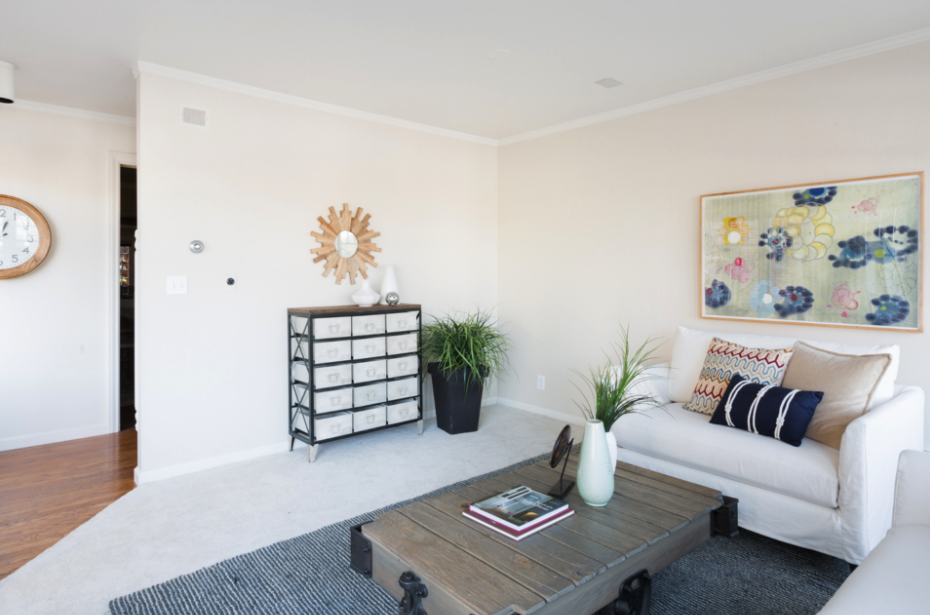
Finding the right interior designer starts with asking the right questions. If you're planning a renovation, furnishing a new home, or looking for guidance on a design project, contact Seattle Swank to help you create a space that reflects how you want to live.