Staging Techniques that Work to Sell Your Home Fast (2026)

Your pillows are fluffed, pictures are posted, and there’s a for-sale sign standing tall in the lawn. You’ve been expecting multiple offers and showings, but buyers just aren’t showing interest.
It's not the house that’s losing buyer interest; it’s the staging. The home market moves fast, and buyers move faster. Proper staging needs to show buyers exactly what they want to see, a space that can be tailored to them.
Here’s where we can help. With proven staging techniques that work, our professional advice creates a space that fosters a lasting emotional connection with potential buyers, helping your house move in and out of the market quickly. Keep reading to see how we do it.
Why Staging Matters in 2026
Especially in the digital and influencer age, home staging is the key to giving potential buyers a memorable opinion of the house.
Buyers Form Opinions Faster Than Ever
The presentation of the home dictates its perceived value, meaning a buyer’s first impression is the make-or-break moment. As buyers cross the threshold, they’ve already made their decision.
Online Listing Photos Matter More Than Showings
What leads a buyer to a showing is the listing photos they first click through. If these photos are low-quality, poorly lit, or poorly staged, buyer interest dissolves, and they scroll past your listing.
The Real Estate Data Behind Home Staging
The National Association of Realtors states that 29% of real estate agents reported that staged homes had up to a 10% increase in the dollar value offered for the listing.
Staged homes sell up to 73% faster than an unstaged home.
82% of agents noted that their buyers found it easier to visualize their lives in staged homes.
What Makes a Staging Technique Actually Work?
Staging techniques that work can be simple concepts that guide walkthroughs, but are always focused on the mind of the buyer.
Buyer Psychology vs. Decoration
Staging is more than making your house look like a catalog; it’s about choosing clean and intentional decor that inspires buyer emotion, then gives them the logic to back it up.
The Difference Between Styling and Strategic Staging
Styling a home means bringing in your own tastes, while staging keeps the house as a blank canvas for buyers. Staging uses strategy to highlight the prized features of the house. In other words, staging encourages the buyer to visualize their own style.
7 Staging Techniques That Work in Every Home
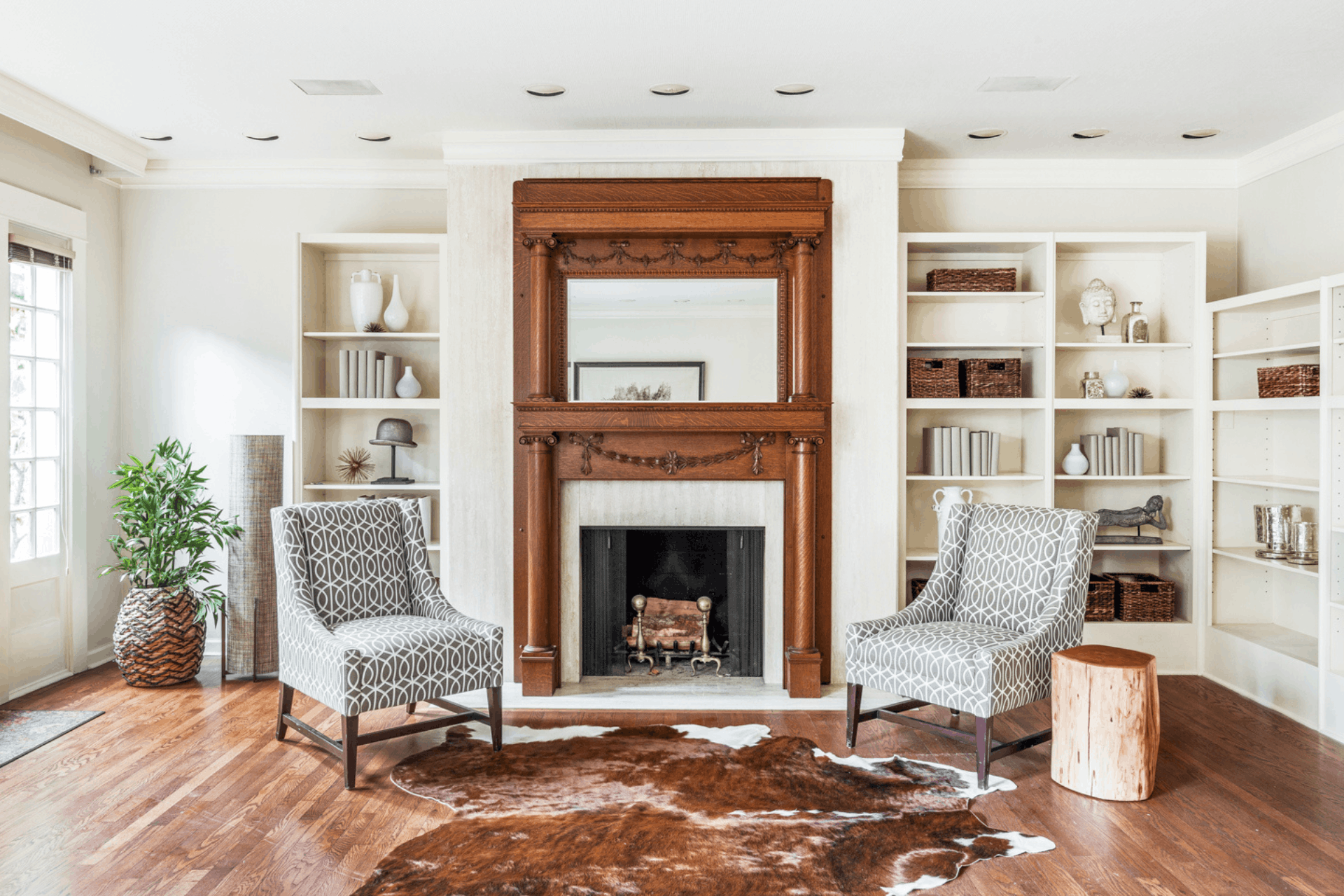
Every home has different quirks and features, but there are a multitude of staging techniques that work for all listings.
#1: Define a Clear Purpose for Every Room
Staging techniques that work make sure each room makes sense to buyers. Even spare rooms need to communicate their purpose. This keeps buyers moving smoothly and provides a visual into their daily life inside the home.
#2: Remove Excess Furniture to Improve Flow
Intentional furniture placement opens up pathways and encourages movement through the home. It is important to remember to keep sightlines clear, as this makes the space feel large and inviting.
#3: Use Neutral Colors That Appeal to More Buyers
Neutral colors photograph well and have the greatest buyer reach. They let the architecture and design of the home speak to the buyer, and keep them from seeing a list of potential paint projects.
#4: Maximize Natural Light
Lighting declares the tone of a space. Natural light brings every room and every home a feeling of warmth and invitation. Balanced with the right accent lighting, buyers can see how the home can feel welcoming at any time of the day.
#5: Add Texture Without Adding Clutter
Rather than filling a room with objects that muddy the space, depth and interest can be added to a home through accent fabrics and materials like rugs and art pieces.
#6: Create One Focal Point Per Space
Guiding the buyer’s eye to one key point in each room, whether it be a fireplace, windows, or statement furniture, helps to emphasize its purpose and makes the whole house feel connected and intentional.
#7: Style Key Surfaces With Restraint
The old saying “less is more” applies to home staging too. Staging techniques that work emphasize simplicity and highlight the little details that make a listing unique.
The Most Important Rooms to Stage
While you want the entire listing to be walk-through ready, there are certain spaces that make key differences in the perception of the house.
Living Rooms
As the center for hosting and relaxation, staging here should focus on the room’s flow, lighting, and comfort to showcase how potential buyers can use all of the space’s potential.
Kitchens
Staging to highlight kitchen features like islands and seating emphasizes the room’s function and quality. As the heart of the home, the kitchen needs neatness and light to emulate cleanliness to potential buyers.
Bedrooms
Staging bedrooms means choosing furnishings and fabrics that are simple and comfortable. Especially when staging the primary bedroom, it is important to remove personal items so the buyer can picture it as their own.
Entryways
As we’ve said before, the entryway is where potential buyers form their opinions. Staging techniques that work for entryways prioritize a warm, inviting feeling that welcomes everyone’s first steps inside.
Staging Techniques That Work Best for Listing Photos
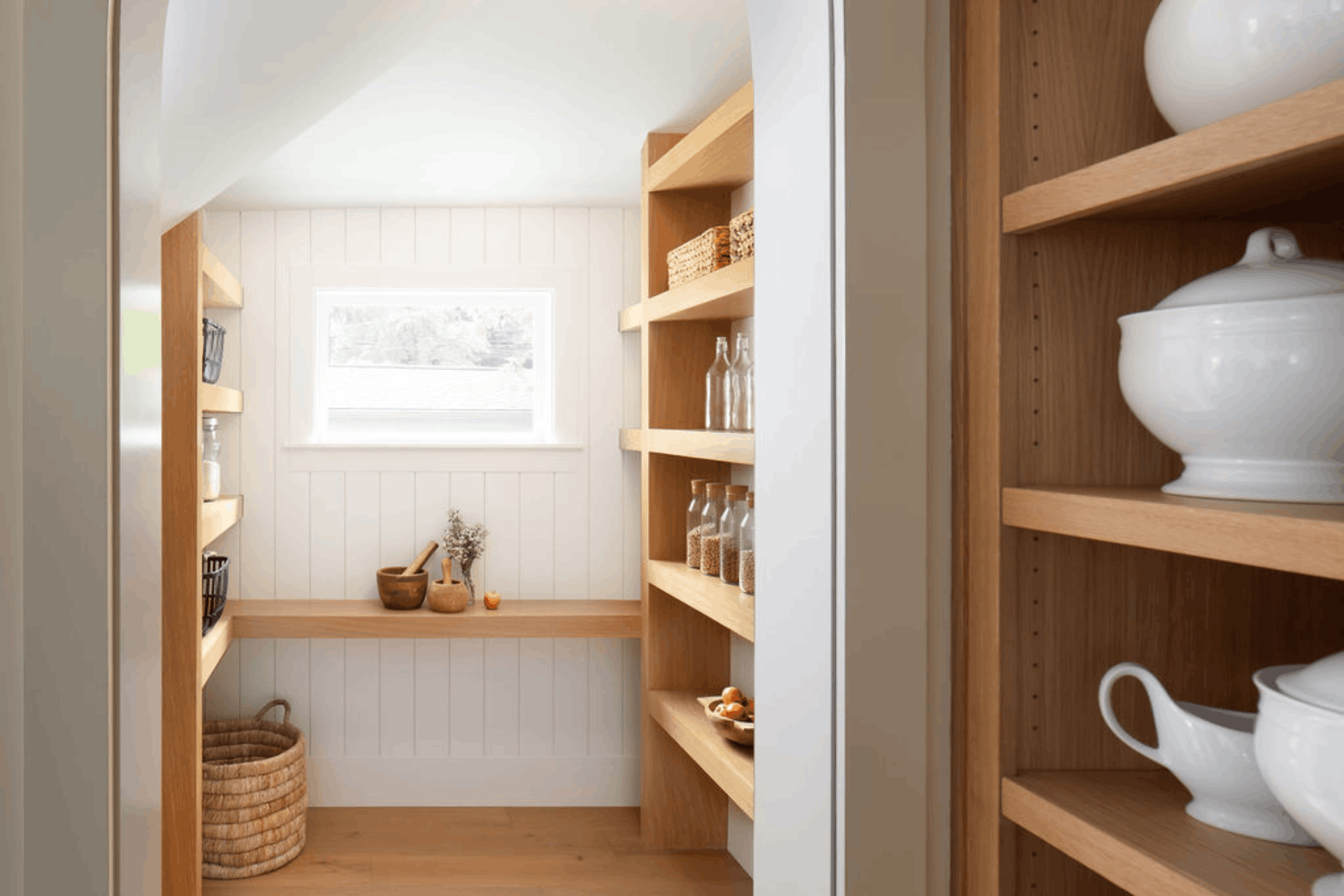
Before a buyer even gets to a showing, their first impression is dictated by online photos.
Scale Matters in Photography
Photography flattens spaces into 2D images, meaning it can be a challenge to accurately communicate the size of the home. Furniture layout, lighting, and camera placement help to bring authenticity to photos without missing details.
Brightness Changes Buyer Perception
The brightness of your staging photos influences buyer perception of the overall home quality. Photos that are too dark or over-lit leave buyers skeptical and more likely to scroll away from the listing.
Styling for Online Attention Spans
Online attention spans are quickly growing more limited. Staging techniques that work account for this, styling photographs to focus on eye-catching focal points that keep your audience engaged.
Common Staging Mistakes That Hurt Home Sales
Staging is the fun part of selling your home, but it can be easy to overcrowd your space or miss small details.
Mistake #1: Overcrowding Rooms
Cluttered and disorganized spaces leave buyers without a clear sense of the space. Every room in the home should use negative space to help the buyer visualize how they would use it.
Mistake #2: Using Bold Personal Decor
If your staging is full of family photos, potential buyers are less likely to connect emotionally with the home. Instead, staging techniques that work control these distractions to keep the buyer inspired.
Mistake #3: Ignoring Lighting and Flooring
Lighting and flooring control the perceived scale of a space. Leaving these factors unconsidered limits the home's overall potential.
Mistake #4: Leaving Signs of Wear Visible
If all a buyer sees are potential projects or issues in the home, they quickly lose trust and confidence in it and disconnect from the listing.
DIY Staging vs. Professional Staging
While staging can feel like just decoration, it takes effort, whether you do it yourself or hire a professional.
What Homeowners Can Realistically Handle
DIY staging means working with limited access to materials, items, and storage, which can be a fun challenge but also risks overlooking the home's unique features that professionals know how to highlight.
When Professional Staging Makes the Biggest Difference
Because they know the market, the buyer mentality, and staging techniques that work best, work with professional stagers when you want to sell your home quickly and for what it’s worth.
Why Seattle Swank’s Staging Strategy Works
With extensive knowledge in both interior design and property marketing, we know the staging techniques that work.
Design-Led Staging Built Around Buyer Experience
Beyond just the look of a space, we understand the emotional impact of design on potential buyers and build our staging around the experience of the home.
Curated Inventory That Fits Each Home
We source our staging items from a network of local vendors and our vast array of on-hand inventory to give your space just what it needs to sell.
Real Estate Insight Combined With Interior Design Expertise
We’re experts at staging, but we are also design experts. With our color consultation and renovation services, we know how to create a space that is exactly what buyers want to see.
Staging Techniques That Work: Frequently Asked Questions
What staging techniques help homes sell faster?
Removing visual noise, emphasizing home layout, and using light to guide the buyer through the home are the staging techniques that work best.
Does staging really increase offers?
Yes! Staging immediately portrays a home’s value to potential buyers and helps it stand out online and in person.
What rooms should be staged first?
The entryway, living room, kitchen, and primary bedroom are used most often. Staging these rooms first makes sure to capture buyer interest.
Is professional staging worth the cost?
Absolutely! Professional staging costs vary per property, but it always considers the details of a home, emphasizing them to generate quicker sales with higher offers.
Work With Seattle Swank to Stage Your Home With Intention
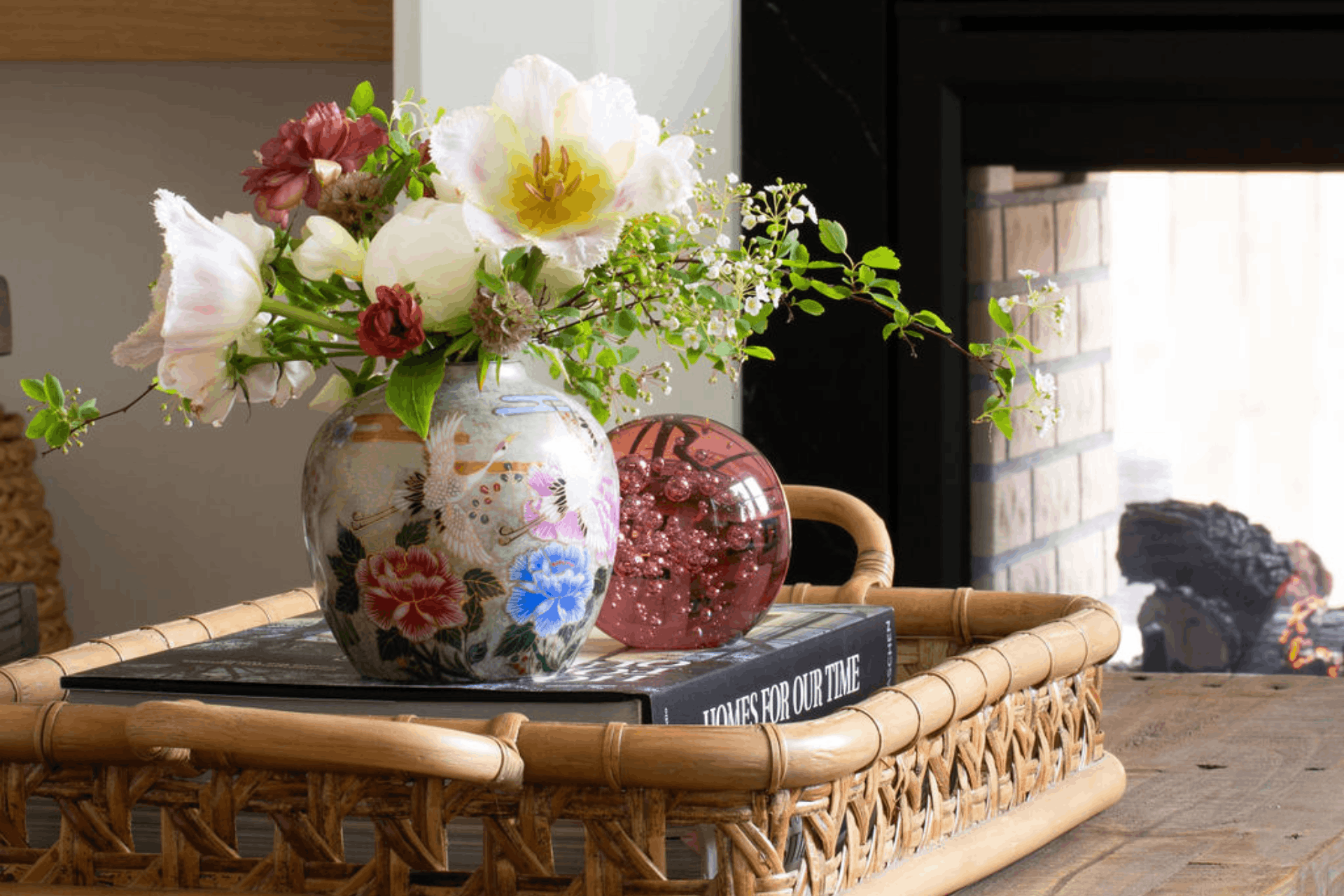
Highlighting the beauty and potential of your home isn’t out of reach. Our professional staging advice blends market and design knowledge to make sure your home stands out from the rest and sells when you need it to. Contact us today to get started!