Interior Designer vs Interior Decorator: A Comprehensive Guide
At some point, every home project reaches a crossroads. Maybe you're staring at paint samples, second-guessing furniture decisions, or realizing that what started as a simple refresh has turned into a hundred competing choices. That's usually when you start searching for help and quickly run into another question: Do you need an interior designer or an interior decorator?
While the terms are often used interchangeably, they serve very different roles. Understanding the difference can save you time, money, and frustration while helping you choose the right partner for your project. Here's what you need to know before making that decision.
Why People Confuse Interior Designers and Decorators
It's easy to see why people mix up interior designers and decorators. Both help create beautiful homes. Both work with colors, furniture, and finishes. Both can completely change how a space looks and feels. The difference comes down to the scope of the project and the expertise required to bring it to life.
The Overlap Between Styling and Design
Interior designers and decorators both care about creating spaces that feel inviting, cohesive, and personal. They may select furniture, recommend color palettes, and help shape the overall aesthetic of a room.
Where they differ is in how they approach the project. Decorators focus primarily on the visual layer of a home—furniture, décor, accessories, and styling. Interior designers take a broader view, considering how a space functions, flows, and supports your daily life in addition to how it looks.
Why the Difference Matters for Homeowners
Choosing the right professional can make the difference between simply updating a room and completely transforming how your home works for you.
If you're selecting furniture and refreshing décor, a decorator may be the right fit. But if you're renovating, building, reconfiguring layouts, or making significant investments in your home, an interior designer can help guide decisions that impact both beauty and functionality. Understanding the difference helps you invest your time, budget, and energy where they'll have the greatest impact.
What Is Interior Design?
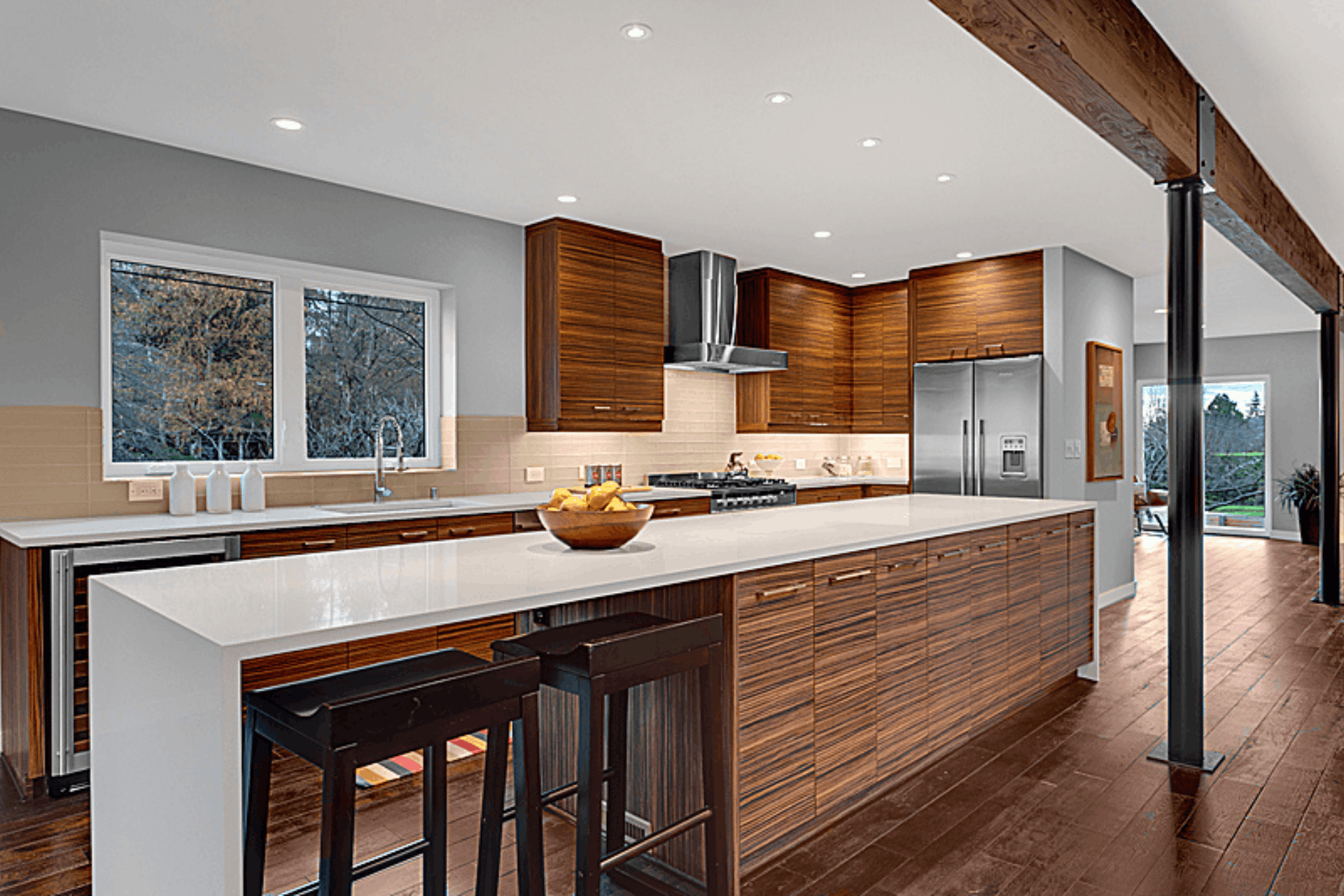
Interior design combines creativity and practicality to create spaces that radiate with intentionality.
How Interior Design Goes Beyond Decoration
Interior design uses strategy, science, and artistry to create spaces that feel like an experience. Designers consider home structure, layouts, lighting, and color in their projects to build cohesive homes fit for daily life.
The Relationship Between Layout, Function, and Lifestyle
Your lifestyle declares your needs, function addresses your goals, and layout makes the most out of your square footage. In other words, lifestyle is the why, function is the how, and layout is the where of interior design.
Why Interior Design Impacts the Feeling of a Home
Interior design shapes the experience of a space by creating functionality that feels natural and design elements that highlight the details of a home that encourage warmth and character.
Interior Designer vs Interior Decorator: The Biggest Differences
While they appear very similar, an interior designer vs interior decorator comes down to how they tailor their focus.
Interior Designers Focus on Structure and Function
Structural changes to a home, like wall removal and window installation, are decisions made by interior designers. They work to guarantee that even corners and spare rooms radiate purpose.
Interior Decorators Focus Primarily on Styling
Decorators focus on textiles, furniture, artworks, and finishes to bring out the desired aesthetic and visual appeal of your home.
Project Scope and Responsibilities Compared
Designers often undertake extensive renovations and have a deeper understanding of the structural implications of a home. Decorators are responsible for composing color schemes and surface-level concepts that work with preexisting home architecture.
Education and Training: Interior Designer vs Interior Decorator
When it comes to an interior designer vs interior decorator, education and qualifications make a substantial difference.
What Education Interior Designers Typically Complete
Interior designers have a formal degree in interior design or architecture. They often have training in construction basics and space planning, as well as extensive knowledge of materials and lighting.
Certifications and Professional Credentials
Many interior designers are qualified to take the NCIDQ exam, a licensure-track credential that requires supervised work hours in the field. Alternatively, decorators build professional credibility and portfolios through trade programs and computer-aided design.
Why Technical Knowledge Matters in Renovation Projects
Technical knowledge keeps renovations safe and ensures that the home's structure stays sound. It also keeps projects aligned with the client budget and manages potential setbacks like faulty wiring and rot.
Do Interior Designers and Decorators Need a License?
One of the biggest misconceptions in the interior designer vs decorator conversation is that all interior designers must be licensed. In reality, the requirements vary significantly by state.
Licensing Requirements in Washington State
In Washington, interior design is currently not regulated in the same way professions like architecture or engineering are. Anyone may legally perform interior design work and use the title "interior designer."
However, many professionals choose to pursue advanced education, industry certifications, and credentials such as the NCIDQ (National Council for Interior Design Qualification) exam to demonstrate a higher level of expertise. Interior decorators are also not required to hold licenses or certifications.
Licensing Varies Across the Country
Some states regulate certain types of interior design work, particularly commercial projects that involve building codes, accessibility requirements, life safety standards, and permitting. Other states, including Washington, place greater emphasis on voluntary education, experience, and professional credentials rather than state-issued licenses.
What You Should Look For
For most homeowners, the better question isn't whether someone holds a license—it's whether they have the experience to guide your project successfully. Look for a professional with a strong portfolio, a clear design process, relevant education or certifications, and the ability to translate your goals into a cohesive, functional home.
Whether you're redesigning a single room or planning a whole-home renovation, the right designer brings more than aesthetic ideas. They bring clarity, problem-solving, and a vision for how your home should look, feel, and function for years to come.
What Do Interior Designers Do vs What Do Interior Decorators Do?
While both professionals help create beautiful homes, they solve different problems. Interior designers focus on how a home functions, flows, and supports daily life. Interior decorators focus on furnishing and styling an existing space once the foundational design decisions have already been made.
Space Planning and Layout Design
This is primarily the role of an interior designer. Designers evaluate how a space is used and develop layouts that improve circulation, functionality, and comfort. They may recommend moving walls, reconfiguring rooms, redesigning kitchens, or adjusting floor plans during renovations and new construction projects.
Decorators typically work within the existing layout and help furnish and style the space once the floor plan is established.
Material and Finish Selection
Interior designers select materials and finishes that support both the aesthetic and functional goals of the home. This can include flooring, tile, countertops, cabinetry, plumbing fixtures, lighting, and architectural details.
Decorators may assist with selecting paint colors, fabrics, accessories, and decorative finishes that complement the overall look of the space.
Furniture, Styling, and Decor
Both designers and decorators help select furniture, but their approaches differ. Interior designers choose furnishings as part of a larger plan for how the space functions and feels. They consider scale, traffic flow, comfort, and how furniture relates to the home's architecture.
Decorators focus primarily on styling and visual presentation, selecting furniture, artwork, textiles, and accessories that enhance the room's aesthetic.
Contractor Coordination and Project Oversight
Interior designers often collaborate directly with contractors, architects, builders, and trades throughout a project. They review plans, answer design questions, and help ensure the finished space aligns with the overall vision.
Decorators typically become involved after construction or renovation work is complete and generally do not oversee structural or construction-related decisions.
Creating Cohesion Throughout the Home
Interior designers create cohesion through layout decisions, material selections, architectural details, lighting plans, and furniture choices. Their goal is to ensure the home functions as a unified experience from room to room.
Decorators create visual cohesion through color consultations, furnishings, artwork, accessories, and styling details that tie spaces together aesthetically.
Cost of an Interior Decorator vs Cost of an Interior Designer
Hourly rates, furnishing decisions, and square footage all factor into the cost of hiring an interior designer vs. an interior decorator.
Interior Design Services Typically Cost More
Interior design projects can involve tasks like taking down walls, removing fireplaces, and installing windows. These things take more time and involve digging into the home's foundation to coordinate gas and electrical efficiency.
What’s Included in Full-Service Interior Design
Full-service interior design means understanding your vision for your home, creating a concept, and then constructing and installing pieces to achieve the harmony you’ve always wanted.
Professional Design Prevents Expensive Mistakes
Professional design guidance means working with someone who knows the technicalities of layout and structure to ensure a smooth project. This means completing steps in their proper order, knowing how to prevent and fix issues in the home, and avoiding last-minute changes that drive up costs.
When You Should Hire an Interior Designer Instead of a Decorator
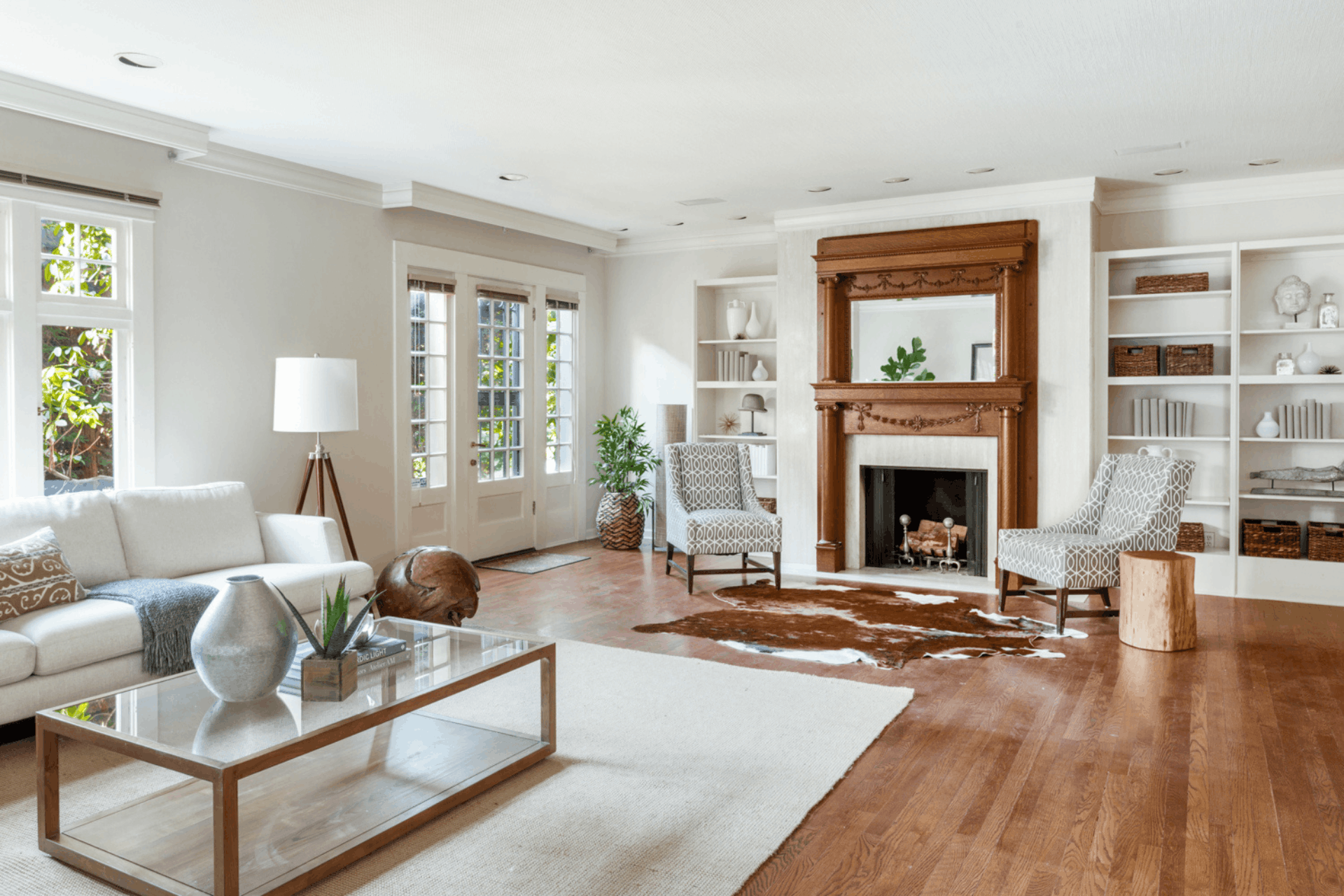
The scope of your project is instrumental in hiring an interior designer vs. an interior decorator.
Renovations and New Construction
When you’re planning a home renovation to give life to your space, or constructing your dream home, it’s the perfect time to hire an interior designer who helps you plan a concept and install it exactly the way you want it.
Whole-Home Redesigns
Whole-home redesigns reawaken your space with fresh layouts and materials that interior designers often have the experience and inventory to make your home feel like yours again.
Homes With Complex Layouts
If your home has an especially unique layout, one that you’re beginning to think limits what your home design can be, an interior designer knows how to both adjust and work with your space for the design you’ve dreamed of.
Projects Requiring Long-Term Cohesion
If you’re looking for your home design to feel custom and effortless, getting an interior designer’s help throughout the long-term project guarantees that no aspect of your design feels like an afterthought.
Why Homeowners Work With Seattle Swank
With expertise in both home structure and decor design, Seattle Swank designers create projects with lasting personality.
Design-Led Interiors Built Around Livability
We understand how to create a catalog-worthy home that adapts to the demands of your daily life.
Thoughtful Material and Furniture Selection
With vendor connections and an on-hand inventory, we are confident we can find the pieces that fit your design goals.
Guidance From Concept Through Installation
We walk with you through the home and listen to your project objectives. From there, we create a plausible concept and keep you informed throughout the installation.
Refined, Cohesive, and Personal Interiors
We enjoy projects of all intensities, believing that every client deserves a home that reflects their life while looking both sophisticated and comfortable.
Interior Designer vs Interior Decorator: Frequently Asked Questions
Is an interior designer better than a decorator?
Not necessarily. An interior designer vs interior decorator simply comes down to what skill set and depth of renovation your project needs.
Can interior designers help with furniture selection?
Interior designers can absolutely help with furniture selection as they understand how furniture impacts a home’s daily structure and flow.
Is interior design worth the investment?
Yes! Interior design is an efficient practice to maximize space to get your home the functionality and cohesion it needs without spending excess.
Do decorators work with contractors?
Yes! Decorators take care of the aesthetic vision for your home and work with contractors to make sure you get exactly the features you ask for.
Work With Seattle Swank for Full-Service Interior Design
You want a home that’s stylish, unique, and character-driven. Work with Seattle Swank today to discover how we guide your home design to embrace intention, comfort, and functionality that works for you. Ready to get started?